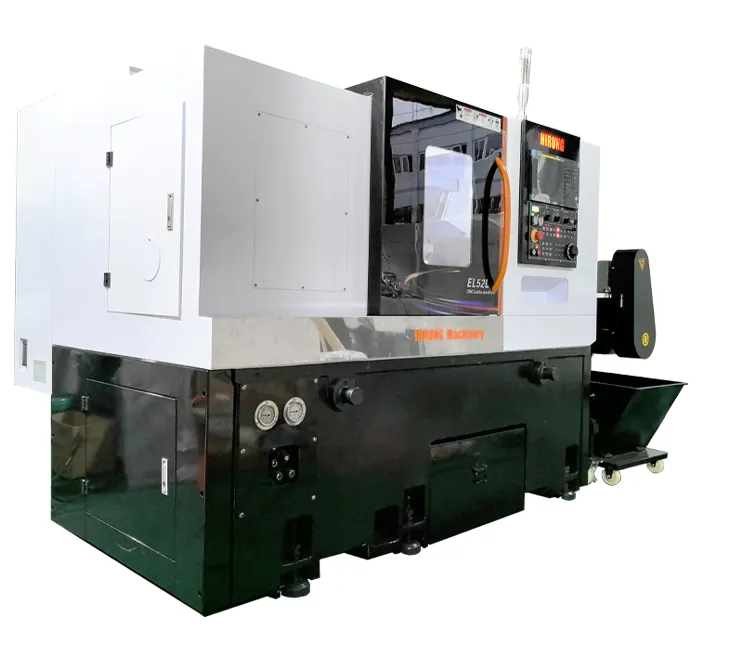
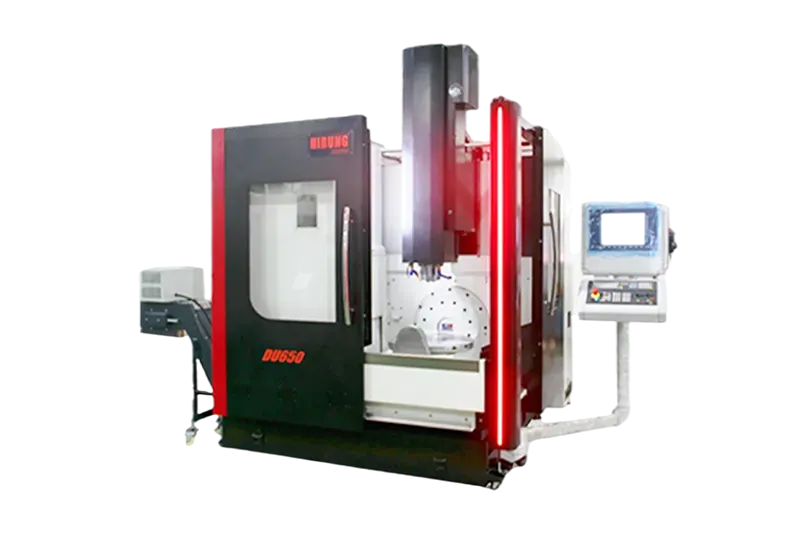
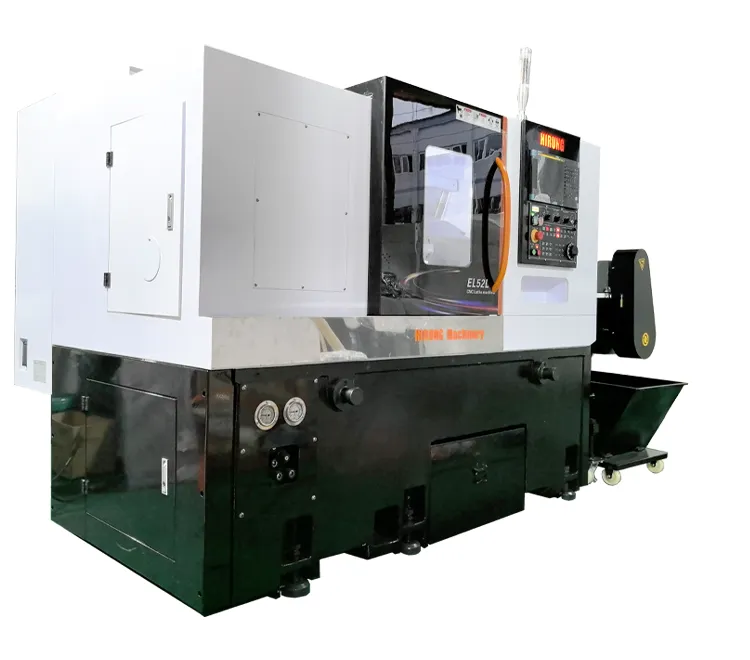
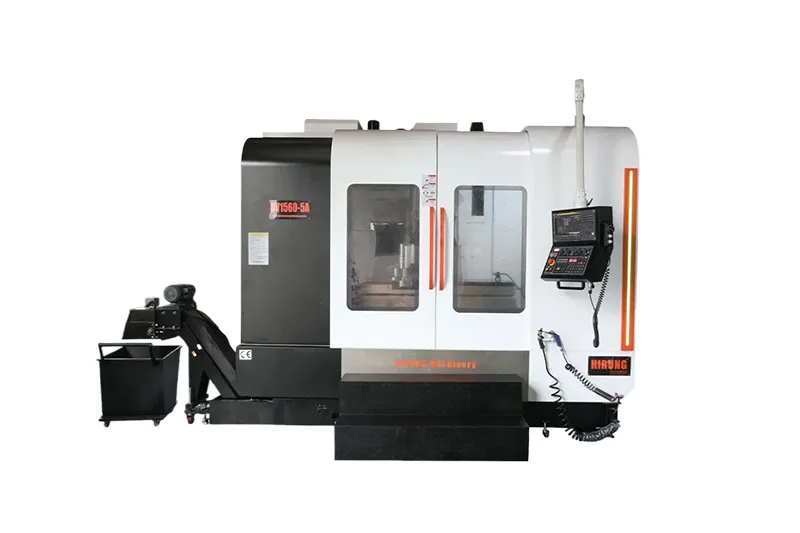
The exceptional craftsmanship behind the highest quality CNC machine tools in China is not defined by a single brand, but by a holistic system of excellence. This system integrates precision engineering, the use of world-class core components, sophisticated software integration, and a rigorous, multi-stage quality control process that ensures unparalleled accuracy, reliability, and performance. This commitment to quality allows China’s top manufacturers to produce equipment that rivals global leaders, serving demanding industries like aerospace, automotive, and medical device manufacturing. This evolution represents a fundamental shift from mass production to precision creation.
Table of Contents
- The Evolution: From “Made in China” to “Crafted in China”
- What Defines the Highest Quality in a Chinese CNC Machine Tool?
- The Pillars of Chinese CNC Craftsmanship: A Deep Dive
- Who are the Key High-Quality CNC Manufacturers in China?
- The Future of CNC Manufacturing in China: What’s Next?
- Frequently Asked Questions (FAQs)
The Evolution: From “Made in China” to “Crafted in China”
For decades, the “Made in China” label on industrial equipment was often associated with cost-effectiveness over premium quality. However, a significant transformation has been underway, driven by government initiatives like “Made in China 2025” and intense market competition. The narrative is shifting from being the world’s factory to becoming a global hub of innovation and high-end manufacturing. The highest echelons of Chinese CNC machine tool builders have moved beyond imitation, investing heavily in research and development, state-of-the-art production facilities, and, most importantly, a culture of craftsmanship. This change is not merely cosmetic; it is a deep-seated commitment to building machines that deliver lasting value, exceptional performance, and a competitive edge on the global stage.
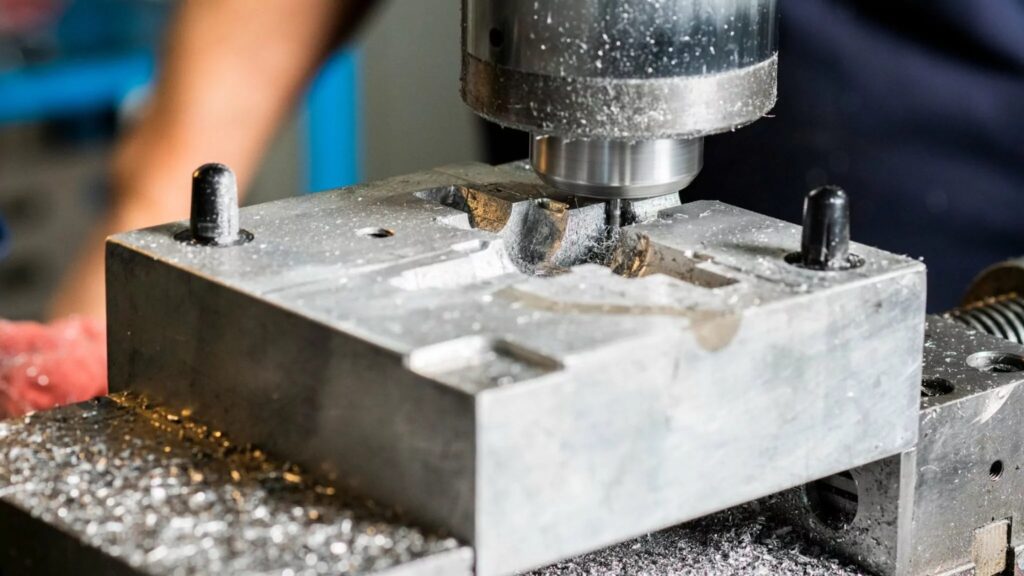
This paradigm shift is evident in the machinery itself. Where once basic 3-axis mills dominated, now sophisticated 5-axis simultaneous machining centers, high-speed turning centers, and complex mill-turn machines are becoming standard offerings from top-tier Chinese manufacturers. These companies now actively compete on metrics like thermal stability, dynamic rigidity, and long-term reliability—hallmarks previously reserved for German, Japanese, and Swiss brands. The focus has pivoted from *price per unit* to *total cost of ownership* and *return on investment*, reflecting a mature understanding of what modern manufacturing businesses truly need to thrive.
What Defines the Highest Quality in a Chinese CNC Machine Tool?
The quality of a CNC machine is a multi-faceted concept that goes far beyond its initial price tag. For China’s premier manufacturers, achieving top-tier status means excelling in three critical areas: mechanical precision, component integrity, and intelligent control. It is the seamless integration of these elements that separates a truly high-quality machine from the rest of the market.
Unwavering Precision and Positional Accuracy
At its core, a CNC machine’s purpose is to position a tool and a workpiece relative to each other with extreme accuracy, repeatedly. The highest quality Chinese CNC machines are built to achieve and maintain micron-level precision. This is measured by two key metrics: positioning accuracy (how close the machine gets to a commanded coordinate) and repeatability (how consistently it can return to that same coordinate). Achieving this requires exceptional structural rigidity to minimize vibration and deflection under heavy cutting loads, as well as superior thermal stability to counteract expansion and contraction during long machining cycles. The result is the ability to produce parts with extremely tight tolerances, complex geometries, and superior surface finishes, which is non-negotiable in sectors like aerospace component manufacturing.
The Heart of the Machine: World-Class Core Component Selection
A machine tool is only as strong as its weakest link. Recognizing this, elite Chinese manufacturers do not compromise on core components. They strategically source critical parts from the world’s most respected suppliers. This includes high-frequency spindles from brands like Kessler or GMN, which are essential for high-speed machining and fine finishing. The linear motion systems often feature C3 or C1 grade ground ball screws and high-precision linear guideways from giants like HIWIN, THK, or Rexroth. These components are crucial for converting rotational motor movement into flawless, backlash-free linear motion, directly impacting accuracy. Furthermore, premium bearings from NSK or SKF are used in spindles and support systems to ensure smooth operation and long service life.
The Brains: Advanced Control Systems and Software Integration
The most robust mechanical structure is useless without a powerful and reliable control system—the “brain” of the CNC machine. The best Chinese machines are almost exclusively equipped with industry-leading CNC controllers from Fanuc, Siemens, or Heidenhain. This choice is deliberate. These systems offer proven reliability, advanced processing power for complex toolpaths (like those in 5-axis machining), and a user-friendly interface that is familiar to skilled operators worldwide. The integration goes beyond just the controller; it involves fine-tuning the servo drives, motors, and feedback systems to work in perfect harmony, creating a responsive and precise machine that can execute complex programs without error.
The Pillars of Chinese CNC Craftsmanship: A Deep Dive
The tangible quality of a top-tier Chinese CNC machine is built upon a foundation of meticulous processes that blend modern technology with traditional, skill-intensive craftsmanship. These pillars are what transform a collection of high-quality parts into a cohesive, high-performance manufacturing system.
Precision Engineering of the Machine Foundation
The journey to precision begins with the machine’s base, column, and saddle. The highest quality machines use high-grade Meehanite cast iron, which is known for its excellent vibration-damping properties and structural stability. These castings undergo a lengthy aging process—either natural outdoor aging for months or controlled thermal stress-relieving cycles in a furnace. This critical step removes internal stresses from the casting, preventing future deformation and ensuring the machine’s geometric accuracy remains stable for its entire lifespan. The design of these structures is optimized using Finite Element Analysis (FEA) software to create a ribbed, honeycombed internal structure that maximizes rigidity without adding unnecessary weight.
The Art of Assembly and Manual Hand-Scraping
While machines can grind surfaces to a high degree of flatness, achieving the ultimate level of precision for mating surfaces often requires a human touch. Top Chinese manufacturers employ skilled technicians who perform manual hand-scraping on critical mounting surfaces, such as where the column meets the base or where linear guideways are mounted. This painstaking process involves using a specialized scraper to remove microscopic high spots, creating a perfectly flat, oil-retaining surface. Hand-scraping ensures a near-perfect contact area between components, which is essential for rigidity, geometric accuracy (like squareness and parallelism), and the long-term stability of the machine’s alignment. It is a testament to the fact that true craftsmanship is an irreplaceable part of building the best machines.
Uncompromising Quality Control and Testing Protocols
Trust is built through verification. The final pillar of Chinese CNC craftsmanship is a multi-layered quality control and testing regimen that leaves nothing to chance. Before a machine is ever shipped, it undergoes a battery of exhaustive tests. A Renishaw laser interferometer is used to measure and calibrate the positioning accuracy of each axis down to the sub-micron level. A Renishaw ballbar test is performed to diagnose geometric errors and assess the machine’s dynamic performance by tracing a perfect circle. Spindles are run-in for 24-72 hours to ensure thermal stability and bearing performance, and every machine undergoes hours of simulated cutting tests to validate its performance under real-world conditions. This rigorous, data-driven approach guarantees that the machine delivered to the customer meets or exceeds its stated specifications.
Who are the Key High-Quality CNC Manufacturers in China?
While it’s difficult to name a single “best,” a group of manufacturers has distinguished itself through consistent quality, innovation, and a focus on the high-end market. These companies represent the pinnacle of Chinese CNC manufacturing.
| Manufacturer | Specialization / Key Focus | Noteworthy Feature |
|---|---|---|
| Haitian Precision | High-precision vertical and horizontal machining centers, gantry machines. | Leverages the parent company’s (Haitian Group) vast experience in casting and heavy engineering to produce exceptionally rigid machine structures. |
| Beijing Jingdiao (JD) | High-speed, high-precision machining centers, particularly for mold & die and micro-machining. | Develops its own proprietary “Jingdiao” CNC control system and high-speed spindles, demonstrating deep vertical integration. |
| Neway CNC Equipment | A broad range of CNC lathes, vertical machining centers, and large horizontal boring mills. | Strong focus on international standards and certifications, with a significant global export presence. Known for reliable and robust machines. |
| JIER Machine-Tool Group | Heavy-duty and large-scale equipment, including stamping presses, boring mills, and large gantry-type machining centers. | A state-owned giant with a long history, specializing in providing complete manufacturing lines for the automotive and heavy industry sectors. |
The Future of CNC Manufacturing in China: What’s Next?
The trajectory for China’s high-end CNC industry is pointed firmly towards Industry 4.0 and intelligent manufacturing. The next frontier of craftsmanship involves the integration of digital technologies. We can expect to see a greater focus on in-process monitoring using sensors to detect tool wear and surface finish in real-time. The adoption of AI and machine learning will enable predictive maintenance, alerting operators to potential component failures before they happen, thus maximizing uptime. Furthermore, enhanced connectivity and the Industrial Internet of Things (IIoT) will allow for fully automated production cells and remote machine diagnostics, pushing the boundaries of efficiency and productivity even further. The craftsmanship of the future will be about mastering both the physical and digital realms of manufacturing.
Frequently Asked Questions (FAQs)
Are high-quality Chinese CNC machines as reliable as their German or Japanese counterparts?
Top-tier Chinese CNC machines that use world-class components (Fanuc/Siemens controls, NSK bearings, etc.) and are built with rigorous quality control processes can offer reliability and performance comparable to many German and Japanese models, often at a more competitive price point. The key is to select a reputable, high-end manufacturer rather than a low-cost producer.
What is the most important factor to consider when buying a high-quality Chinese CNC machine?
Beyond the specifications, the most critical factor is the manufacturer’s commitment to quality control and after-sales support. Look for evidence of their testing processes (laser interferometer, ballbar tests) and ensure they have a responsive service network to provide technical support, spare parts, and maintenance.
How has the “Made in China 2025” initiative impacted CNC machine quality?
“Made in China 2025” has been a major catalyst. It prioritized the machine tool industry for strategic upgrading, leading to massive investment in R&D, subsidies for adopting advanced technologies, and a national push to develop core competencies. This has directly accelerated the shift from low-cost production to high-precision, high-value manufacturing.