A CNC vertical machining center is widely used in automotive parts manufacturing because it can perform milling, drilling, tapping, boring, contouring, and surface machining on a wide range of metal components with repeatable accuracy. For automotive suppliers, a VMC is often used to process engine-related parts, transmission housings, brackets, aluminum structural parts, mold components, fixture plates, and many medium-sized precision components.
In automotive manufacturing, parts often require consistent dimensions, stable surface quality, and efficient multi-process machining. A CNC vertical machining center helps workshops combine several machining operations into one setup, reducing manual handling and improving process consistency. For manufacturers producing auto parts in small batches, medium-volume production, or mixed-model machining, a VMC can be a practical and flexible equipment choice.
This article explains the main CNC vertical machining center applications in automotive parts manufacturing, the types of auto parts commonly processed, key technical factors, machine selection advice, and common mistakes to avoid before purchasing a VMC for automotive production.
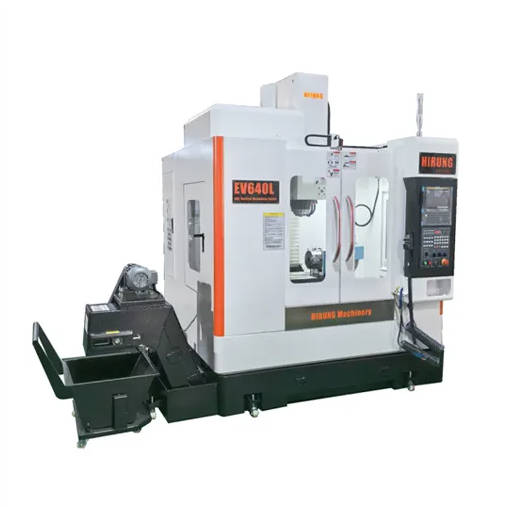
What Is a CNC Vertical Machining Center?
A CNC vertical machining center, also called a VMC, is a CNC machine tool with a vertically oriented spindle. The cutting tool moves down toward the workpiece from above, while the workpiece is fixed on the worktable. The machine can perform multiple machining processes through programmed toolpaths and automatic tool changes.
In automotive parts manufacturing, a VMC is mainly used when parts need accurate milling, hole making, tapping, pocketing, slotting, and surface finishing within a controlled machining setup.
Compared with a basic CNC milling machine, a vertical machining center usually offers better automation, a tool magazine, higher structural rigidity, more stable machining performance, and improved productivity. Compared with a horizontal machining center, a VMC is often easier to operate, easier to set up, and suitable for many medium-sized automotive components.
Typical VMC machining operations include:
| Machining Operation | Automotive Use Case |
|---|---|
| Face milling | Machining flat mounting surfaces on brackets, housings, and plates |
| Drilling | Creating bolt holes, oil holes, and assembly holes |
| Tapping | Producing threaded holes for fastening and assembly |
| Boring | Improving hole accuracy for bearing seats and positioning features |
| Pocket milling | Removing material from housings, covers, and structural components |
| Contour milling | Producing external profiles and complex shapes |
| Chamfering | Removing sharp edges and improving assembly safety |
Why VMC Applications Matter in Automotive Manufacturing
Automotive parts manufacturing is driven by precision, repeatability, cost control, and production efficiency. Even when a component is not safety-critical, dimensional stability can affect assembly fit, sealing, noise, vibration, and long-term product reliability.
A CNC machine for auto parts must support several practical requirements:
- Stable machining accuracy across repeated production
- Ability to process aluminum, cast iron, steel, and other common automotive materials
- Efficient tool changes for multi-operation parts
- Good chip evacuation during high-volume metal removal
- Sufficient rigidity for roughing and finishing
- Easy setup for different part models
- Maintainable structure for long-term shop use
For many manufacturers, the challenge is not only whether a machine can cut the part. The real question is whether the machine can produce the required part consistently, efficiently, and with manageable operating costs.
That is why VMC selection should be connected to the actual automotive part type, material, tolerance requirements, fixture design, production volume, and future product mix.
Common Automotive Parts Made with CNC Vertical Machining Centers
CNC vertical machining center applications in automotive manufacturing cover many part categories. The exact suitability depends on the part size, material, geometry, and tolerance requirements.
Engine-Related Components
VMCs can be used to machine certain engine-related parts, especially components that require flat surfaces, holes, threaded features, pockets, or mounting interfaces. Examples may include covers, brackets, plates, small housings, and selected engine auxiliary components.
For complex engine blocks or cylinder heads, manufacturers may use specialized machining lines, horizontal machining centers, or multi-axis machines depending on production scale. However, a VMC remains useful for prototype parts, auxiliary components, repair machining, fixtures, and medium-complexity engine-related work.
Transmission and Drivetrain Components
Transmission housings, covers, bearing seats, mounting plates, and drivetrain brackets often require accurate hole positions and machined surfaces. A VMC can support drilling, tapping, boring, and milling operations in one setup.
For these applications, rigidity and spindle stability are important because parts may include cast materials, uneven stock conditions, and multiple machined surfaces. Good fixture design also plays a major role in controlling deformation and maintaining repeatability.
Aluminum Automotive Parts
As vehicles use more lightweight materials, aluminum components are common in automotive manufacturing. A VMC for automotive parts can be used to machine aluminum housings, brackets, battery-related plates, motor covers, heat dissipation components, and structural parts.
Aluminum machining often requires high spindle speed, efficient chip removal, sharp cutting tools, and proper coolant strategy. A suitable vertical machining center should allow stable high-speed milling while preventing chip buildup.
Brake, Steering, and Suspension-Related Parts
Some brake, steering, and suspension-related components require machined mounting surfaces, bolt holes, slots, and precise geometric features. Depending on the safety level and tolerance requirement, these parts may need strict process control, inspection planning, and reliable machine stability.
For buyers in this field, equipment selection should not focus only on machine travel size. Rigidity, positioning accuracy, fixture repeatability, tool life, and inspection workflow all affect production quality.
Automotive Molds, Dies, and Fixtures
Automotive parts manufacturers often need molds, dies, checking fixtures, jigs, and production tooling. VMCs are widely used for machining mold bases, fixture plates, positioning blocks, and tool components.
For automotive workshops that produce both parts and tooling, a CNC vertical machining center can provide useful flexibility because the same machine can support production machining, fixture machining, and prototype development.
Key Benefits of Using a VMC for Automotive Parts
A vertical machining center is not the only CNC equipment used in automotive manufacturing, but it offers several practical benefits for many production environments.
1. Flexible Processing for Different Part Types
Automotive suppliers often handle multiple models, design changes, and different batch sizes. A VMC can be reprogrammed and refixtured for different parts, making it suitable for flexible manufacturing.
This flexibility is valuable for:
- Prototype development
- Small and medium batch production
- Spare parts machining
- Mixed-model production
- Fixture and tooling production
- New product trial machining
2. Multi-Process Machining in One Setup
With an automatic tool changer, a VMC can complete milling, drilling, tapping, chamfering, and finishing operations without frequent manual tool changes. This helps reduce handling time and improves consistency.
For a bracket, for example, the machine may first rough mill the outside shape, then machine pockets, drill holes, tap threads, chamfer edges, and finish key surfaces in a single clamping plan.
3. Good Accessibility for Setup and Inspection
The vertical structure gives operators clear access to the worktable. This can make part loading, fixture adjustment, tool setting, and in-process inspection more convenient, especially for medium-sized automotive parts.
For workshops that change jobs frequently, setup convenience can directly affect daily productivity.
4. Cost-Effective Choice for Many Workshops
In many applications, a VMC provides a balanced combination of capability, floor space usage, operational simplicity, and investment cost. It may not replace a dedicated production line or a 5-axis machining center, but it can be a practical choice when flexibility is more important than extremely specialized automation.
Important Technical Factors for Automotive VMC Applications
When choosing a CNC vertical machining center for automotive parts manufacturing, buyers should evaluate more than the machine model name. The following factors directly affect machining quality and productivity.
Machine Rigidity
Automotive parts may involve roughing castings, machining steel components, or removing large amounts of aluminum material. A rigid machine structure helps reduce vibration, improve surface finish, and maintain accuracy during continuous operation.
A high-rigidity structure is especially important for:
- Heavy cutting
- Long tool overhang
- Cast iron or steel machining
- Large workpieces
- Tight positional tolerances
- Repeated production batches
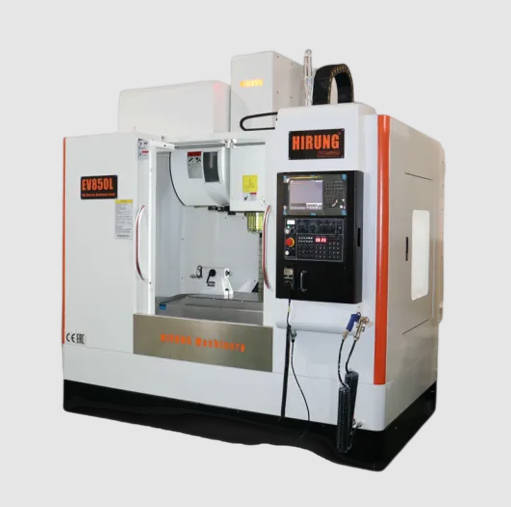
For example, the HIRUNG EV Series is positioned as a vertical machining center series for precision, durability, and industrial applications. When evaluating a machine like this, buyers should review the casting structure, guideway design, spindle support, and long-term stability.
Spindle Speed and Spindle Type
Spindle selection depends heavily on material and machining strategy. Aluminum automotive parts often benefit from higher spindle speed, while steel and cast iron parts may require strong torque and rigidity.
| Material / Application | Common Spindle Requirement |
|---|---|
| Aluminum housings and brackets | Higher spindle speed, efficient chip evacuation |
| Steel automotive components | Strong torque, rigid cutting performance |
| Cast iron parts | Stable spindle, dust/chip control, suitable coolant/chip strategy |
| Mold and fixture machining | Balance of speed, torque, and surface finish |
| Small precision parts | Stable high-speed cutting and accurate tool control |
Buyers should match spindle configuration with their actual parts instead of choosing the highest speed by default.
Worktable Size and Travel
Worktable size must be evaluated based on the maximum part size, fixture size, clamping space, and tool movement clearance. A part may fit on the table, but the fixture, clamps, and toolpath may require more space than expected.
Before requesting a quotation, buyers should prepare:
- Maximum workpiece dimensions
- Workpiece weight
- Fixture size
- Required machining direction
- Number of parts per fixture
- Required X/Y/Z travel
- Tool length and tool holder requirements
Tool Magazine Capacity
Automotive parts often require multiple tools. A tool magazine with enough capacity reduces manual intervention and supports more complete machining cycles.
A typical automotive part may require:
- Face mill
- End mills
- Drill bits
- Taps
- Boring tools
- Chamfer tools
- Reamers
- Finishing tools
If the tool magazine is too limited, operators may need manual tool changes between operations, reducing efficiency and increasing the chance of setup errors.
Chip Removal and Coolant Management
Automotive machining can generate large volumes of chips, especially when processing aluminum or cast iron. Poor chip evacuation can affect surface finish, tool life, coolant quality, and machine uptime.
For automotive parts production, chip removal is not a secondary feature; it directly affects machining stability, tool life, and daily production efficiency.
A suitable VMC should offer chip removal options that match the material and production volume. For aluminum parts, chip accumulation can interfere with cutting and fixture surfaces. For cast iron, fine chips and dust require careful control. For steel, chip shape and coolant flow should be considered.
Control System and Operator Usability
A good control system should support stable program execution, convenient operation, and practical maintenance. For export-oriented buyers, electrical labeling, documentation, and service support can also affect installation and daily use.
For international workshops, easy-to-understand electrical layouts and maintenance-friendly design can reduce downtime when local support resources are limited.
VMC vs Other CNC Machines for Automotive Parts
A CNC vertical machining center is useful, but it should be compared with other machine types before purchase.
| Machine Type | Suitable Automotive Applications | Advantages | Limitations |
|---|---|---|---|
| Vertical Machining Center | Brackets, housings, plates, fixtures, molds, medium-sized parts | Flexible, easy setup, good for multi-process machining | May require multiple setups for complex multi-side parts |
| Horizontal Machining Center | High-volume prismatic parts, multi-face machining | Strong for production efficiency and chip evacuation | Higher investment and more complex setup |
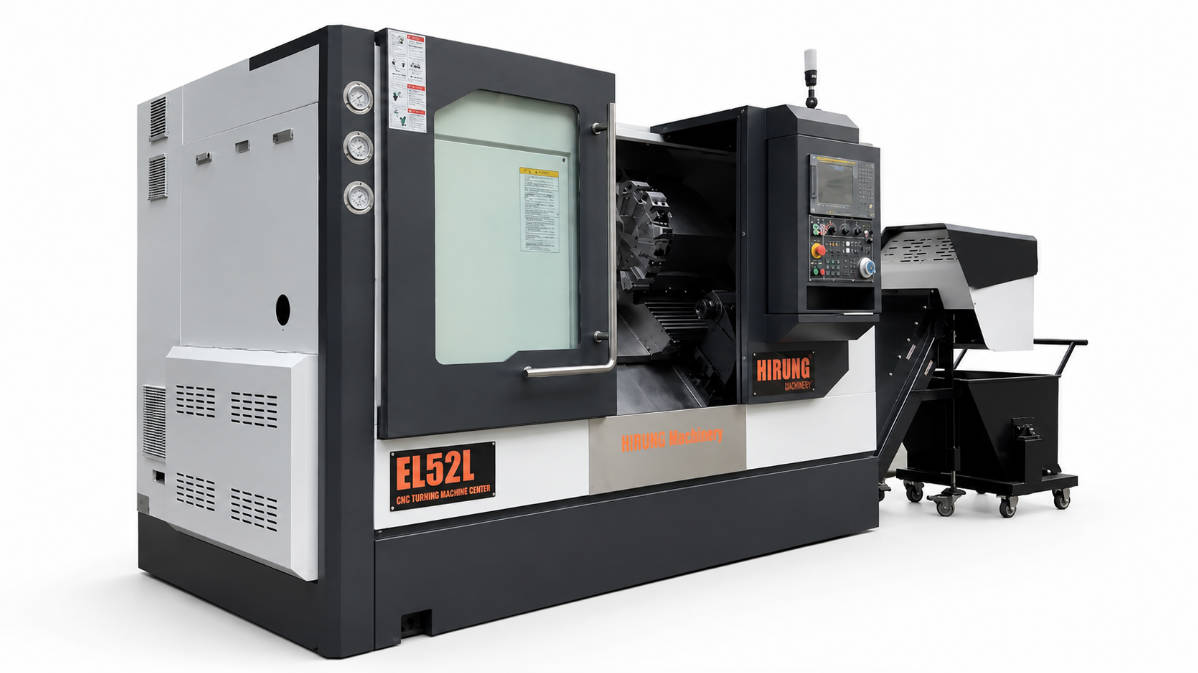
| CNC Lathe | Shafts, bushings, pulleys, round parts | Efficient for rotational parts | Not suitable for prismatic milling parts |
| 5-Axis Machining Center | Complex automotive molds, impellers, special structural parts | Reduces setups for complex geometry | Higher cost and programming complexity |
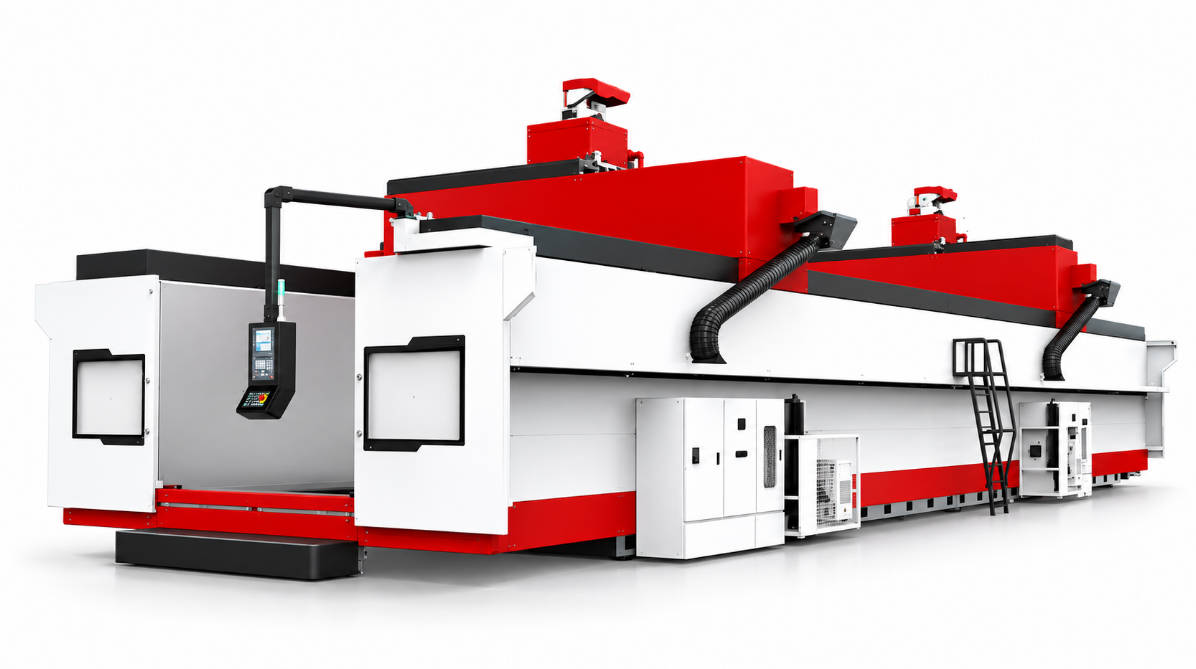
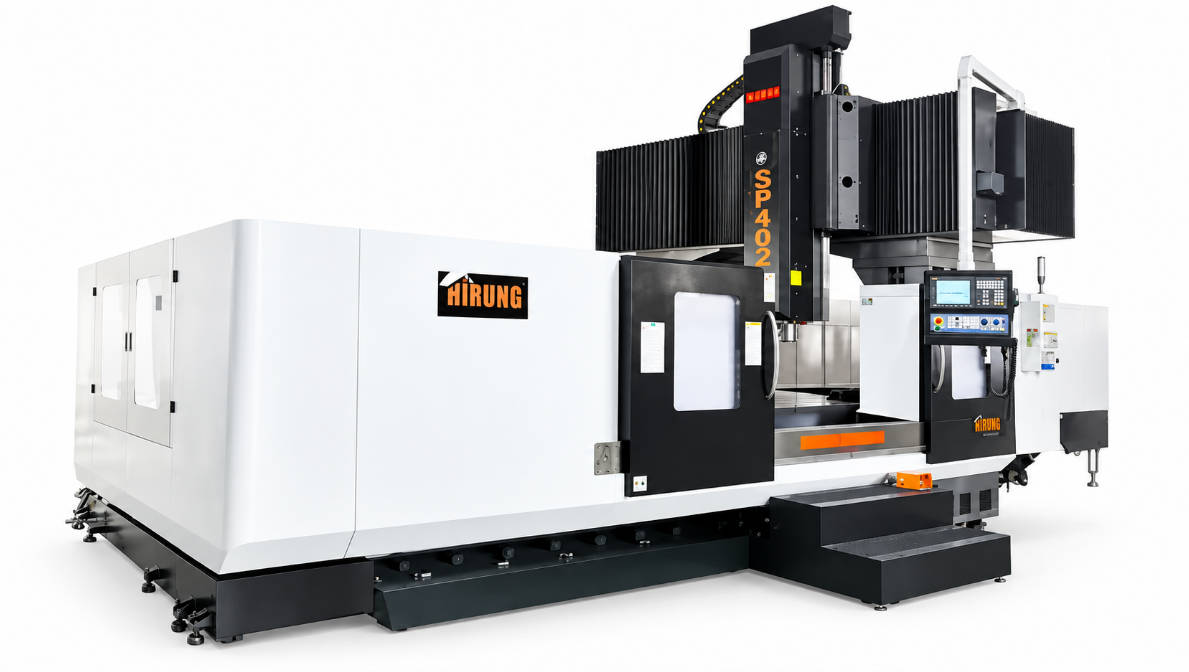
| Gantry Machining Center | Large molds, large structural components | Handles large workpieces | Requires more floor space and higher investment |
For many automotive suppliers, a VMC is a practical starting point or core production machine. For more complex parts, it may work together with lathes, 5-axis machines, or gantry machines in a complete production system.
How to Choose a CNC Vertical Machining Center for Automotive Parts
Choosing the right VMC requires matching the machine to your part requirements, not simply comparing catalog specifications.
Step 1: Define Your Main Automotive Parts
Start by listing the parts you want to machine. Include part drawings, materials, dimensions, weights, tolerance requirements, surface finish requirements, and production volume.
Useful information includes:
| Information to Prepare | Why It Matters |
|---|---|
| Part material | Determines spindle, tooling, coolant, and chip removal needs |
| Part size and weight | Determines table size, travel, and machine load capacity |
| Tolerance requirements | Affects machine rigidity, accuracy, and inspection planning |
| Batch size | Affects automation level and tool magazine needs |
| Machining process | Determines spindle type, tool capacity, and fixture design |
| Surface finish requirement | Affects cutting strategy and machine stability |
| Existing equipment | Helps decide whether the VMC fills a production gap |
Step 2: Match Machine Size to Fixture Strategy
Do not choose a VMC only by part size. Automotive parts usually require fixtures, clamps, locating pins, and tool clearance. If the machine is too small, operators may struggle with loading and machining efficiency.
For higher productivity, some workshops use multi-part fixtures to machine several parts in one cycle. In this case, table size and travel must support the entire fixture layout.
Step 3: Evaluate Rigidity and Long-Term Stability
Automotive production requires repeatability over many cycles. A machine that performs well during a short test cut may still need to prove stability during continuous operation.
When evaluating rigidity, consider:
- Casting structure
- Base and column design
- Guideway type
- Spindle support
- Thermal stability
- Cutting vibration
- Accuracy retention under repeated machining
Step 4: Choose the Right Spindle Configuration
A high-speed spindle may be suitable for aluminum parts, but steel and cast iron applications may need more torque and stability. Buyers should discuss actual materials and cutting conditions with the supplier before selecting spindle options.
For manufacturers processing mixed automotive parts, a balanced spindle configuration may be more practical than a highly specialized option.
Step 5: Review Service, Installation, and Maintenance Support
Machine performance is important, but long-term operation also depends on service support, spare parts, installation guidance, and maintenance convenience. When choosing a supplier, ask about training, documentation, electrical layout, warranty terms, spare parts availability, and remote or local support.
If you are evaluating a CNC machine for auto parts production, provide your drawings and machining requirements so the supplier can recommend a more suitable model and configuration.
Common Mistakes When Buying a VMC for Automotive Parts
Mistake 1: Choosing Only by Price
A low initial price may lead to higher long-term costs if the machine lacks rigidity, spindle stability, service support, or suitable chip removal. Automotive production often requires long operating hours, so stability and maintainability should be part of the cost calculation.
Mistake 2: Ignoring Fixture Requirements
Some buyers only check part size and forget fixture space. This can cause travel limitations, difficult loading, tool interference, or poor production efficiency.
Mistake 3: Overlooking Chip Removal
Chip management is critical in aluminum, cast iron, and steel machining. Poor chip evacuation can damage surface quality, reduce tool life, and increase cleaning time.
Mistake 4: Selecting the Wrong Spindle
A spindle that works well for aluminum may not be ideal for heavy steel cutting. A spindle that is good for torque may not be the most efficient option for high-speed aluminum machining. The right choice depends on material, tool size, cutting depth, and production goals.
Mistake 5: Not Planning for Future Part Changes
Automotive projects often change. If the machine is selected only for one current part, it may not support future parts, new fixtures, or expanded production needs. Buyers should consider reasonable flexibility when choosing travel, table size, spindle options, and tool capacity.
When Is the HIRUNG EV Series Suitable for Automotive Parts Manufacturing?
The HIRUNG EV Series can be considered when a workshop needs a vertical machining center for precision metal parts, automotive components, fixtures, molds, and general industrial machining. It is especially relevant for buyers who need a VMC for flexible production rather than a single-purpose dedicated machine.
You may consider the HIRUNG EV Series CNC Vertical Machining Center if your automotive machining work includes:
- Aluminum brackets and housings
- Steel or cast iron machined parts
- Transmission-related covers or plates
- Mold bases and fixture components
- Prototype automotive parts
- Medium-batch production
- Multi-process milling, drilling, and tapping
- Workshops needing a balance of rigidity, productivity, and usability
For buyers who are not sure which model is suitable, it is better to provide part drawings, material information, machining process requirements, and expected production volume. The supplier can then evaluate travel size, spindle options, tool magazine needs, and chip removal configuration.
For more information about HIRUNG’s CNC machine tool range, you can also visit the HIRUNG official website and compare the available machine categories.
FAQ
1. What are the main CNC vertical machining center applications in automotive parts manufacturing?
CNC vertical machining centers are commonly used for automotive brackets, housings, plates, covers, fixture components, mold parts, aluminum structural parts, and medium-sized precision components. They are suitable for milling, drilling, tapping, boring, and surface machining.
2. Is a VMC suitable for automotive aluminum parts production?
Yes. A VMC can be suitable for automotive aluminum parts such as housings, brackets, motor covers, and structural plates. Buyers should pay attention to spindle speed, chip removal, coolant strategy, tool selection, and fixture design.
3. What is the difference between a VMC and a CNC lathe for auto parts?
A VMC is mainly used for prismatic parts that require milling, drilling, tapping, and surface machining. A CNC lathe is mainly used for round or rotational parts such as shafts, bushings, and pulleys. Many automotive workshops use both machines.
4. How do I choose a CNC machine for auto parts manufacturing?
Start with your part drawings, material, tolerance requirements, batch size, surface finish needs, and fixture plan. Then evaluate machine rigidity, spindle type, worktable size, travel, tool magazine capacity, chip removal, control system, and supplier support.
5. Can a vertical machining center machine engine parts?
A vertical machining center can machine some engine-related parts, covers, brackets, plates, and auxiliary components. For highly complex engine blocks or cylinder heads, specialized machining lines, horizontal machining centers, or multi-axis machines may be more suitable depending on production requirements.
6. What spindle speed is suitable for automotive parts machining?
The suitable spindle speed depends on material and tooling. Aluminum parts often benefit from higher spindle speed, while steel and cast iron parts may require more torque and rigidity. Buyers should choose spindle configuration based on actual machining conditions.
7. Why is chip removal important in automotive VMC machining?
Chip removal affects surface finish, tool life, coolant quality, machine uptime, and production stability. Automotive parts machining can generate large chip volumes, so the chip conveyor and coolant system should match the material and production intensity.
Conclusion
CNC vertical machining center applications in automotive parts manufacturing are broad, practical, and closely connected to modern flexible production. A VMC can machine many automotive brackets, housings, plates, covers, fixture parts, mold components, and aluminum structural parts with reliable multi-process capability.
The right VMC should be selected based on real part requirements, not only machine price or general specifications. Buyers should evaluate rigidity, spindle configuration, table size, travel, tool capacity, chip removal, fixture strategy, maintenance design, and supplier support.
If your workshop is looking for a practical VMC for automotive components, prototype parts, fixtures, or medium-batch production, the HIRUNG EV Series can be evaluated as a flexible vertical machining center solution. Prepare your drawings, materials, tolerance requirements, and production goals before requesting a recommendation, so the machine configuration can be matched more accurately to your manufacturing needs.