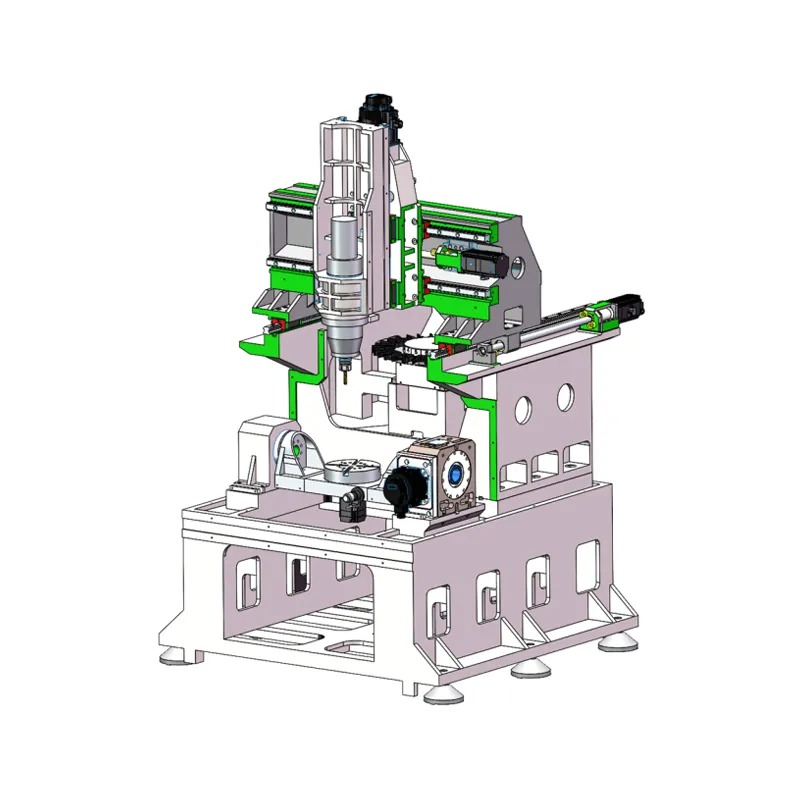
Embarking on the journey of acquiring a lathe, whether for a bustling machine shop or a dedicated hobbyist, is a significant investment that requires careful consideration. A lathe is a fundamental machine tool, invaluable for shaping materials by rotating a workpiece against a cutting tool, creating cylindrical forms, threads, and complex profiles. A comprehensive guide to buying a lathe involves meticulously evaluating your specific machining needs, understanding the different types of lathes available, assessing crucial specifications like swing and bed length, determining necessary features and accessories, and balancing budget with desired capabilities. This article will serve as an essential resource, guiding you through the critical factors and considerations to ensure you select the perfect lathe for your applications.
What are the Main Types of Lathes Available?
The main types of lathes available cater to diverse applications and levels of automation, ranging from manual engine lathes for general-purpose turning to highly automated CNC lathes for precision mass production, and specialized machines like turret lathes for repetitive tasks. Understanding these distinctions is crucial for selecting a machine that aligns with your specific operational requirements.

Here are the primary types of lathes:
- Engine Lathe (Manual Lathe):
- Description: The most common and versatile type, operated manually by a skilled machinist. It’s used for general-purpose turning, facing, drilling, boring, and threading.
- Best For: Job shops, prototyping, repair work, education, and situations where flexibility and operator skill are paramount.
- Turret Lathe:
- Description: Designed for repetitive production of parts from bar stock or castings, featuring a multi-station tool holder (turret) that allows rapid indexing of tools without changing setup.
- Best For: Medium to high volume production of identical parts.
- Speed Lathe:
- Description: A very simple lathe with a headstock, tailstock, and tool rest, but no lead screw or feed box. It operates at high speeds for light operations like woodworking, polishing, or spinning.
- Best For: Woodturning, metal spinning, polishing, and simple material removal.
- Toolroom Lathe:
- Description: A highly precise and rigid version of the engine lathe, built to extremely tight tolerances for tool and die making, precision instrument manufacturing, and small batch production of high-accuracy parts.
- Best For: Precision tool and die work, prototyping, and high-accuracy small parts.
- CNC Lathe (Computer Numerical Control Lathe):
- Description: Computer-controlled machines that follow programmed instructions (G-code) to produce parts with high precision and repeatability. They can range from simple 2-axis turning centers to complex multi-axis turn-mill centers.
- Best For: High-volume production, complex part geometries, maintaining tight tolerances, and unattended operation.
- Swiss-Type Lathe (Swiss Screw Machine):
- Description: A specialized CNC lathe where the material feeds through a guide bushing, and cutting tools operate very close to the bushing. This design provides exceptional rigidity for machining small, intricate parts with very high precision.
- Best For: Medical implants, electronics, watch components, and small, high-precision turned parts.
What Key Specifications Should You Consider When Buying a Lathe?
When buying a lathe, critical specifications to consider include swing over bed, distance between centers, spindle bore, spindle speed range, and motor horsepower, as these directly determine the maximum workpiece dimensions, machining capabilities, and the machine’s overall power and versatility. Matching these specs to your intended applications is essential for optimal performance.
- Swing Over Bed (Max Turning Diameter):
- Definition: The maximum diameter of a workpiece that can be rotated without hitting the bed of the lathe.
- Importance: This is the primary indicator of the largest diameter part you can turn.
- Distance Between Centers (Max Workpiece Length):
- Definition: The maximum length of a workpiece that can be mounted between the headstock and tailstock centers.
- Importance: Determines the longest part you can machine.
- Spindle Bore (Through-Hole Diameter):
- Definition: The diameter of the hole through the center of the spindle.
- Importance: Crucial for feeding longer bar stock through the spindle for continuous machining without external support. A larger bore allows for larger diameter bar stock.
- Spindle Speed Range (RPM):
- Definition: The range of rotational speeds (revolutions per minute) at which the spindle can operate.
- Importance: Different materials and cutting operations require specific speeds. Higher speeds are generally better for smaller diameters and softer materials, while lower speeds are for larger diameters and harder materials.
- Motor Horsepower (HP) / Kilowatt (kW):
- Definition: The power output of the spindle motor.
- Importance: Dictates the machine’s ability to take heavy cuts and machine tough materials without bogging down. Higher HP is needed for larger, more aggressive cuts and harder metals.
- Bed Construction and Weight:
- Definition: The material and design of the lathe’s main frame.
- Importance: A heavy, rigid, and well-built bed (e.g., cast iron) absorbs vibrations, leading to better surface finishes and higher accuracy.
- Chuck Size:
- Definition: The diameter of the chuck, which holds the workpiece.
- Importance: Should be appropriate for the size of workpieces you intend to machine.
What Essential Features and Accessories Enhance Lathe Functionality?
Essential features and accessories significantly enhance a lathe’s functionality, extending its capabilities beyond basic turning and improving efficiency, precision, and operator convenience. These additions can range from crucial workholding devices and cutting tool options to advanced measurement and safety features.
- Workholding Devices:
- Chucks: 3-jaw (self-centering for round/hex stock), 4-jaw (independent jaws for irregular shapes, higher precision), collet chucks (for high precision on small diameters).
- Faceplates: For mounting irregularly shaped workpieces that cannot be held in a chuck.
- Centers (Live and Dead): For supporting longer workpieces between the headstock and tailstock.
- Tooling Options:
- Quick-Change Tool Post: Allows for rapid swapping of various cutting tools, significantly reducing setup time compared to standard tool posts.
- Tool Holders: A variety of holders for turning, facing, boring, threading, and grooving tools.
- Live Tooling (for CNC Lathes): Allows the lathe to perform milling, drilling, and tapping operations on the face or side of a part without moving it to a separate machine, drastically reducing cycle times and setups.
- Measurement and Control Features:
- Digital Readout (DRO): Provides precise, real-time positional feedback for X and Z axes on manual lathes, enhancing accuracy and reducing measurement errors.
- CNC Control System (for CNC Lathes): The “brain” of a CNC lathe, dictating its capabilities, user interface, and programming options.
- Probing Systems (for CNC Lathes): Automate part setup, tool measurement, and in-process inspection, boosting efficiency and accuracy.
- Safety Features:
- Chuck Guard: Protects the operator from rotating chucks and flying chips.
- Splash Guards: Contain coolant and chips within the work area.
- Emergency Stop Button: A prominent button that immediately cuts power to the machine in an emergency.
- Coolant System:
- Flood Coolant/Through-Spindle Coolant: Essential for dissipating heat, lubricating the cutting zone, and flushing chips, prolonging tool life and improving surface finish.
- Chip Conveyor (for production lathes): Automatically removes chips from the machine, improving efficiency and cleanliness.
- Tailstock: Essential for supporting longer workpieces and holding drills, reamers, or taps.
How Do You Determine the Right Size Lathe for Your Needs?
Determining the right size lathe involves accurately assessing the maximum dimensions (diameter and length) and weight of the workpieces you intend to machine, considering both current and future production requirements, and balancing these needs against available shop space and budget. Oversizing can lead to unnecessary cost, while undersizing will limit your capabilities.
Here’s a step-by-step approach:
- Analyze Your Workpiece Dimensions:
- Maximum Diameter (Swing): What is the largest diameter part you will ever need to turn? This dictates the required “swing over bed.” Always add a margin for error or future larger projects.
- Maximum Length (Distance Between Centers): What is the longest part you will need to machine, especially if it requires support from the tailstock?
- Bar Stock Diameter: If you plan to feed bar stock through the spindle, what is the largest diameter bar stock you will use? This determines the necessary “spindle bore.”
- Consider Workpiece Weight:
- While not a direct “size” metric, heavier workpieces require a more robust, rigid machine with higher motor horsepower and a sturdier bed to minimize vibration and deflection.
- Assess Material Type:
- Machining harder materials (e.g., hardened steel, exotic alloys) requires more power (HP) and rigidity, which generally comes with larger, more robust machines.
- Production Volume and Part Complexity:
- For high-volume production of identical parts, a larger, more automated CNC lathe might be needed to reduce cycle times, even if the individual parts are small.
- For complex parts with multiple features, a machine with sufficient axes (e.g., Y-axis, sub-spindle, live tooling on a CNC lathe) might be more important than sheer size.
- Available Shop Space:
- Measure the physical space available in your workshop, including clearance for loading/unloading parts and maintenance access. Remember that a larger machine also needs more room for chips and accessories.
- Future Needs and Scalability:
- Anticipate if your production needs or part sizes might increase in the future. It’s often more cost-effective to buy slightly larger than your immediate needs rather than outgrow a machine quickly.
- Budget Constraints:
- Larger machines inherently come with higher price tags, not just for purchase but also for power consumption, tooling, and potentially a reinforced floor.
What are the Cost Considerations When Purchasing a Lathe?
When purchasing a lathe, cost considerations extend far beyond the initial purchase price, encompassing crucial factors such as tooling, accessories, transportation, installation, foundation requirements, ongoing maintenance, and operational expenses like power and coolant. A comprehensive budget must account for these elements to avoid unexpected financial burdens.
Here’s a breakdown of cost considerations:
- Initial Purchase Price:
- New vs. Used: New machines offer warranties, latest technology, and financing options, but at a higher price. Used machines are cheaper but carry risks of wear, lack of support, and hidden issues.
- Machine Type: Manual lathes are the least expensive, while CNC lathes (especially multi-axis or Swiss-type) are significantly more costly.
- Brand and Features: Premium brands and machines with advanced features (e.g., live tooling, probing systems, higher horsepower) will command higher prices.
- Tooling and Workholding:
- This can be a substantial hidden cost. You’ll need an array of cutting tools (inserts, tool holders, drills, reamers), chucks, collets, centers, and possibly custom fixtures.
- Cost of Consumables: Factor in the ongoing cost of cutting tools, which wear out and need replacement.
- Accessories:
- Digital Readouts (DROs), coolant systems, chip conveyors, and machine lighting might be optional extras that add to the cost.
- Transportation and Installation:
- Moving a heavy machine requires specialized equipment and professional movers.
- Installation may involve electricians, rigging services, and precise leveling.
- Foundation Requirements:
- Larger, heavier lathes often require reinforced concrete foundations to ensure stability and accuracy, adding a significant civil engineering cost.
- Power Requirements:
- Ensure your electrical supply can handle the machine’s voltage and amperage. Upgrades to your electrical infrastructure can be costly.
- Software (for CNC Lathes):
- CAD/CAM software licenses, post-processors, and control software can be a substantial ongoing expense.
- Training:
- Costs associated with training operators and programmers on the new machine and software.
- Maintenance and Consumables:
- Routine maintenance costs (lubricants, filters, belts) and the cost of coolant.
- Availability and cost of spare parts.
- Insurance:
- Insuring the machine against damage, theft, and operational risks.
What are the Advantages of Buying a New Lathe vs. Used?
Buying a new lathe offers advantages such as a full warranty, access to the latest technology, better energy efficiency, and reliable technical support, providing peace of mind and long-term performance predictability. Conversely, purchasing a used lathe typically provides a significant cost saving, immediate availability, and potentially faster return on investment, making it attractive for budget-conscious buyers.
Here’s a comparison table:
| Feature | New Lathe | Used Lathe |
| Initial Cost | Higher upfront investment | Significantly lower upfront investment |
| Warranty | Full manufacturer’s warranty | Usually “as-is” with no warranty or limited |
| Technology & Features | Latest technology, advanced controls, modern features | Older technology, potentially fewer advanced features |
| Reliability & Lifespan | Highest reliability, long projected lifespan | Variable reliability, depends on prior use/maintenance |
| Energy Efficiency | Generally more energy-efficient | Older models may be less efficient |
| Availability | Order lead times, may need custom build | Immediate availability (if in stock) |
| Financing Options | Easier access to financing/leasing | More challenging to finance |
| Technical Support | Full manufacturer support, training | Limited or no manufacturer support, reliance on third-party |
| Maintenance & Parts | New parts readily available | Parts may be harder to find or discontinued |
| Resale Value | Higher depreciation initially, holds value better over time | Already depreciated, lower resale value |
| Customization | Often customizable to specific needs | Limited to existing configuration |
| Risk | Minimal technical risk | Higher risk of hidden wear, malfunctions, and repair costs |
When to Choose New:
- When precision and consistent performance are paramount.
- When you need the latest technology for complex jobs or high automation.
- When financing is a key factor, and you need a warranty for peace of mind.
- For high-volume production where uptime and reliability are critical.
When to Choose Used:
- When budget is a major constraint.
- For hobbyists, startups, or shops needing a secondary machine for less critical tasks.
- When you have in-house expertise for inspection, maintenance, and potential repairs.
- For common machine types where spare parts are readily available.
What Questions Should You Ask a Lathe Supplier or Seller?
When buying a lathe, asking comprehensive questions to the supplier or seller is crucial for making an informed decision, ensuring the machine meets your needs, and understanding the full scope of the purchase, covering everything from technical specifications and warranty to support and total cost of ownership. Thorough inquiry minimizes post-purchase surprises.
Here are essential questions to ask:
- About the Machine’s Specifications & Capabilities:
- What are the exact swing over bed, distance between centers, and spindle bore?
- What is the spindle speed range and motor horsepower?
- What materials is this lathe best suited for machining?
- Are there any limitations regarding part weight or dimensions?
- What type of CNC control system does it have (if applicable), and what are its key features?
- Does it include a coolant system, and what type?
- Included Features & Accessories:
- What standard accessories are included with the base model (e.g., chucks, tool post, centers)?
- What optional accessories are available, and what are their costs?
- Is a chip conveyor included or an optional extra?
- Condition and History (for Used Lathes):
- What is the machine’s age and how many hours has it been in operation (spindle hours)?
- Can I see maintenance records? When was the last major service?
- Has the machine undergone any major repairs or rebuilds?
- Can I inspect the machine under power? (Crucial to see it run).
- What is the runout on the spindle and tailstock?
- Warranty and Support:
- What is the length and scope of the warranty (for new machines)? What does it cover/exclude?
- What kind of technical support is offered (phone, email, on-site)? Is it included or extra?
- Are spare parts readily available, and what is their typical lead time and cost?
- Is operator training included or available, and at what cost?
- Delivery, Installation, and Financing:
- What are the estimated delivery times?
- What are the transportation and installation costs? Are these handled by the supplier or third-party?
- What are the power requirements (voltage, amperage, phase)?
- What foundation requirements does the machine have?
- What financing or leasing options are available?
- After-Sales Service:
- What is the typical response time for service calls?
- Do you have local service technicians in my area?
- Is there a strong community or forum for this brand/model for peer support?
Asking these questions ensures you have a clear picture of the machine’s capabilities, its total cost, and the support you can expect post-purchase.
Conclusion
Acquiring a lathe is a significant decision that profoundly impacts manufacturing capabilities, whether for a small workshop or a large production facility. A well-informed purchasing process involves thoroughly evaluating the various lathe types, meticulously assessing critical specifications like swing and distance between centers, understanding the value of essential features and accessories, and carefully considering cost implications and supplier support. By systematically addressing these factors, buyers can confidently choose a lathe that not only meets their current operational demands but also supports future growth and ensures efficient, precise machining for years to come. Investing time in research and asking the right questions will ultimately lead to a productive and satisfying lathe ownership experience.
At Hirung, we are a leading manufacturer and supplier of high-quality CNC machine tools, including a wide range of advanced Lathe Machines designed for various industrial applications. We understand that purchasing a lathe is a critical investment, which is why we offer an extensive selection from versatile engine lathes to highly precise CNC turning centers. Our commitment lies in providing robust, reliable, and high-performance machinery, meticulously engineered with attention to key specifications and essential features that enhance productivity and precision. With decades of expertise and a focus on comprehensive customer support, Hirung.com is your trusted partner for finding the perfect lathe solution that meets your specific needs and exceeds your expectations.