I. Introduction: The VMC Landscape in 2026
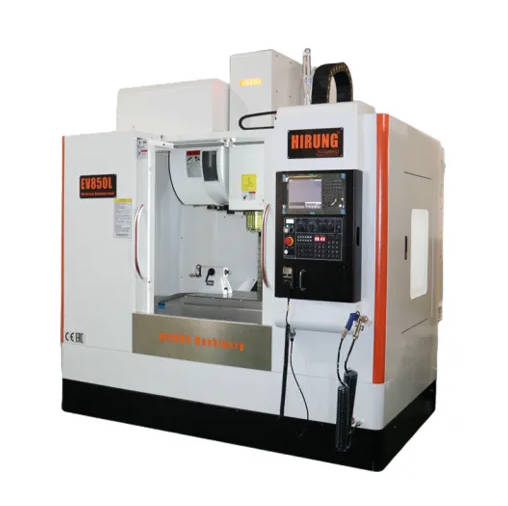
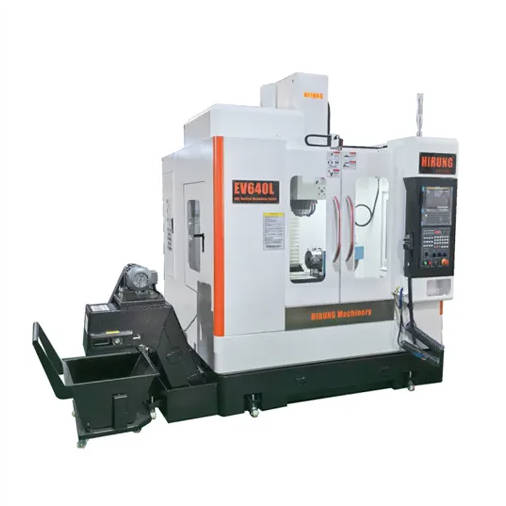
The landscape of industrial manufacturing has undergone a seismic shift as we move through 2026. For procurement managers and shop owners, the question of “how much a Vertical CNC Machining Center (VMC) costs” is no longer answered by a simple sticker price. Today, the cost of a VMC is a reflection of its ecosystem—comprising raw hardware, AI-driven software integration, and carbon-neutral energy efficiency.
In 2026, the average cost of a new Vertical CNC Machining Center ranges from $35,000 for basic entry-level models to over $300,000 for high-precision, multi-axis production cells. Key price drivers now include AI-integrated control systems, automated pallet changers, and real-time digital twin capabilities.
As global supply chains have stabilized post-2024, the focus has shifted from “availability” to “capability.” Modern VMCs are now expected to be “plug-and-play” with robotic arms and cloud-based ERP systems, making the initial investment a critical pivot point for a shop’s long-term profitability.
II. 2026 Price Breakdown by Machine Category
To understand the market, we must categorize machines by their intended application. The following table provides a benchmark for VMC pricing in 2026.
2026 VMC Pricing Benchmark Table
| Category | Price Range (USD) | Primary Application | Key Features |
| Entry-Level / Toolroom | $35,000 – $65,000 | Prototyping, Education, Light Repair | 8k RPM Spindle, 3-Axis, Basic Controller |
| Mid-Range Workhorse | $70,000 – $145,000 | General Job Shops, Automotive Parts | 12k RPM, 4th-Axis Ready, High-Speed ATC |
| High-Precision / Aero | $160,000 – $350,000+ | Aerospace, Medical, Mold Making | 20k+ RPM, Linear Motors, 5-Axis (3+2) |
| Micro-Machining VMC | $120,000 – $220,000 | Electronics, Jewelry, Small Medical | Ultra-high precision, compact footprint |
1. Entry-Level VMCs ($35k – $65k)
These machines are designed for low-volume work. In 2026, even “budget” machines come standard with basic IoT sensors. They are ideal for startups or specialized toolrooms where the machine does not run 24/7.
2. Mid-Range Production VMCs ($70k – $145k)
This is the most competitive segment. The “Mid-Range” VMC in 2026 is defined by its ability to integrate with cobots (collaborative robots) and its thermal stability for 10-12 hour continuous shifts. Most units in this bracket now include reinforced castings and direct-drive spindles as standard.
3. High-End / Specialized VMCs ($160k+)
When you move into this price bracket, you are paying for speed and nanometer-level accuracy. These machines often feature mineral casting for superior vibration damping and integrated 5-axis tables to handle complex geometries in a single setup.
III. Key Technical Factors Driving the Price Tag
Understanding the components that inflate or deflate the price is essential for a smart purchase.
1. Spindle Performance and Technology
The spindle is the heart of the VMC. In 2026, we see three main types:
- Belt-Drive: The most affordable, suitable for high-torque, low-speed applications.
- Direct-Drive: The current industry standard for mid-range machines, offering a balance of speed and torque with less vibration.
- Built-in Motor Spindles: Found in high-end machines, these allow for 24,000+ RPM but come with a significant price premium due to their complex cooling requirements.
2. The Controller: The “Brain” of the Machine
The choice of a controller (Fanuc, Siemens, Heidenhain, or Haas) can swing the price by $10,000 to $30,000. In 2026, AI-enhanced controllers are the preferred choice for B2B buyers because they offer predictive tool-wear analysis and automated feed-rate optimization, which can reduce cycle times by 15-20%.
3. Axis Count and Geometric Complexity
While a standard 3-axis VMC meets most needs, adding a 4th-axis rotary table typically adds $8,000–$15,000. Moving to a “3+2” or full 5-axis configuration can double the machine’s base price but drastically reduces labor costs by eliminating multiple setups.
IV. New for 2026: The “Digital & Green” Premium
2026 marks the year where sustainability and digital connectivity became non-negotiable for Tier 1 and Tier 2 suppliers.
AI-Driven Optimization
Modern VMCs are equipped with sensors that monitor vibration, heat, and acoustics. Buyers should expect to pay a “Digital Premium” of approximately 8% to 12% for machines equipped with AI diagnostic suites that prevent catastrophic spindle failure and optimize energy consumption.
Sustainability and Energy Efficiency
With global carbon taxes and rising electricity costs, “Green” VMCs have become a high-demand category.
- Regenerative Braking Systems: These systems capture energy from spindle deceleration and feed it back into the grid.
- High-Efficiency Motors: IE4 or IE5 rated motors are now common in European and high-end Asian models, adding $3,000–$5,000 to the upfront cost but offering a 2-year ROI through energy savings.
V. The “Hidden” Costs of Ownership (TCO)
The purchase price is only the beginning. To calculate the Total Cost of Ownership (TCO), you must account for:
- Logistics and Installation: Depending on your location, shipping a 5,000kg machine and hiring a rigger can cost between $2,000 and $7,000.
- Tooling and Workholding: A new VMC is useless without high-quality holders, end mills, and vises. Professional buyers recommend budgeting an additional 20% of the machine’s purchase price for the initial tooling package and workholding systems.
- Software Licenses: In 2026, many manufacturers have moved to a SaaS (Software as a Service) model for their advanced “Smart” features, requiring a monthly or annual subscription for cloud-based monitoring.
- Training and Labor: Modern interfaces require skilled operators. Training a staff member on a new 5-axis 2026 controller can cost $3,000–$5,000 in specialized courses.
VI. New vs. Used: The 2026 Dilemma
Is a refurbished VMC a viable option in 2026?
While a used VMC from 2020 might cost 50% less than a 2026 model, it often lacks the hardware-level security required for modern “Smart Factory” networks and cannot support the latest AI-driven CAM cycles. However, “Factory Refurbished” machines are gaining popularity. These are older frames stripped down and rebuilt with 2026-standard controllers and sensors, offering a middle ground for shops that need “smart” capabilities on a “standard” budget.
VII. Making the Decision: ROI Calculation
In 2026, the best way to justify a VMC purchase is the “Cost per Part” metric.
- Example: A $150,000 machine that is 30% faster than a $100,000 machine will often pay for itself within 18 months in a high-volume production environment due to reduced labor hours and lower scrap rates.
ROI Factors to Consider:
- Spindle Uptime: How many hours a day is the tool actually cutting?
- Scrap Rate Reduction: Does the new AI controller reduce errors?
- Labor Savings: Can one operator manage three machines due to automation?
VIII. Conclusion & Buyer’s Checklist
Buying a Vertical CNC Machining Center in 2026 requires a forward-thinking approach. Price is no longer a static number but a variable based on how much “intelligence” and “automation” your specific parts require.
Your 2026 VMC Buying Checklist:
- [ ] Define the Envelope: Does the X/Y/Z travel match your largest part?
- [ ] Check Automation Readiness: Does the controller support MTConnect or OPC UA for future robot integration?
- [ ] Verify Spindle Torque: High RPM is great for aluminum, but do you have the torque for titanium or stainless steel?
- [ ] Assess Local Support: Does the manufacturer have technicians in your region who understand the 2026 software stack?
- [ ] Calculate the TCO: Have you included tooling, software, and energy costs in your 3-year budget?
Would you like a customized quote or a technical comparison of specific 2026 VMC models for your project? Contact our engineering team today.