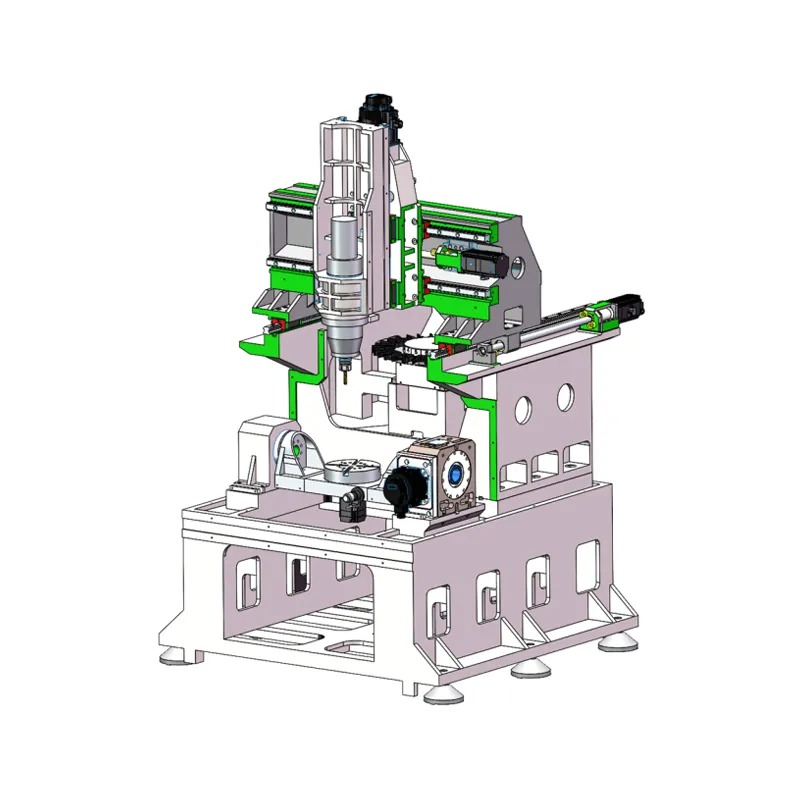
Every CNC machine represents a significant investment, and maximizing that investment means ensuring its operational life extends as long as possible. Like any sophisticated piece of machinery, a CNC machine’s longevity is not inherent but a direct result of diligent care and strategic practices. To significantly increase your CNC machine’s longevity, prioritize consistent preventive maintenance, ensure proper environmental control, optimize cutting parameters and tooling, provide thorough operator training, and utilize regular machine calibration and inspection. These proactive measures minimize wear and tear, prevent costly breakdowns, and maintain optimal performance over years of demanding operation. This article will detail essential tips and best practices for extending the life of your valuable CNC machinery.
Why is CNC Machine Longevity Critical for Your Business?
CNC machine longevity is critical for business success as it directly impacts return on investment, reduces costly downtime, minimizes capital expenditure on new equipment, and ensures consistent production quality. A machine that lasts longer delivers sustained value, contributing to stable operations and enhanced profitability.
Key reasons why longevity matters:
- Maximized ROI: CNC machines are significant capital investments. Extending their lifespan means a longer period over which to recoup the initial cost and generate revenue, increasing the return on investment.
- Reduced Downtime: Well-maintained machines are less prone to unexpected breakdowns, leading to fewer production interruptions and higher overall uptime. This directly translates to increased output and on-time delivery.
- Lower Operating Costs: Proactive maintenance to extend longevity is generally less expensive than reactive repairs or premature machine replacement. It also reduces costs associated with emergency parts and rush services.
- Consistent Quality: Machines operating within optimal parameters due to proper care produce consistent, high-quality parts, reducing scrap rates and rework.
- Competitive Advantage: Reliable, high-performing machines allow businesses to take on more demanding jobs, maintain tighter schedules, and deliver superior products, enhancing market competitiveness.
- Environmental Responsibility: Extending machine life reduces the frequency of manufacturing new equipment, contributing to less resource consumption and waste.

Tip 1: Implement a Robust Preventive Maintenance Schedule
Implementing a robust preventive maintenance (PM) schedule is the cornerstone of increasing CNC machine longevity, as it systematically addresses wear and tear, lubricates critical components, and identifies potential issues before they escalate into costly failures. Regular, scheduled maintenance ensures continuous optimal performance and extends the machine’s operational life.
A comprehensive PM schedule should include:
- Daily Checks:
- Inspect coolant levels and concentration.
- Check lubrication levels (way oil, spindle oil).
- Clean chip conveyor and remove chips from the work envelope.
- Visually inspect way covers for damage.
- Check air pressure.
- Weekly Checks:
- Clean coolant tank and filter.
- Inspect machine leveling.
- Check for leaks (coolant, oil, air).
- Clean spindle taper and tool holders.
- Inspect automatic tool changer (ATC) for proper function.
- Monthly/Quarterly Checks:
- Inspect and clean electrical cabinet filters.
- Check and adjust gibs and backlash (if applicable).
- Verify alignment of axes.
- Inspect belts and hoses.
- Lubricate specific components as per manufacturer’s manual.
- Annual/Bi-Annual Checks:
- Professional machine inspection and calibration.
- Thorough cleaning of entire machine and its components.
- Replacement of critical wear parts (e.g., bearings, seals) based on usage and manufacturer recommendations.
- Check and adjust all machine parameters.
Following manufacturer guidelines strictly for PM intervals and tasks is crucial. Documenting all maintenance activities provides a history that helps in troubleshooting and future planning.
Tip 2: Maintain Optimal Environmental Control Around Your CNC Machine
Maintaining optimal environmental control around your CNC machine is vital for its longevity, as stable temperature, controlled humidity, and a dust-free atmosphere prevent component degradation, minimize thermal expansion effects, and protect sensitive electronics from contaminants. An uncontrolled environment can lead to premature wear, reduced accuracy, and costly failures.
Key environmental control aspects include:
- Temperature Stability:
- Impact: Extreme temperature fluctuations can cause thermal expansion and contraction of machine components, leading to accuracy issues and accelerated wear on bearings and ball screws.
- Solution: Maintain a consistent ambient temperature (typically 68-72°F or 20-22°C) in the machining area. Avoid placing machines near direct sunlight, heat vents, or drafts. Some high-precision machines have integrated temperature control for critical components.
- Humidity Control:
- Impact: High humidity can lead to corrosion of machine parts, rust on exposed metal surfaces, and electrical shorts in control cabinets. Low humidity can increase static electricity, potentially damaging electronics.
- Solution: Aim for a relative humidity between 40% and 60%. Dehumidifiers or humidifiers might be necessary depending on your climate.
- Dust and Contaminant Control:
- Impact: Airborne dust, fine chips, and coolant mist can accumulate on precision components, guides, and electrical circuits, causing wear, blockages, and electronic malfunctions.
- Solution:
- Ensure proper ventilation and air filtration systems in the workshop.
- Regularly clean the machine and its surroundings, including internal components like electrical cabinets (when powered off and locked out).
- Use effective way covers and enclosures to protect sensitive areas from chips and coolant.
- Vibration Isolation:
- Impact: External vibrations from other machinery or building movement can affect machining accuracy and accelerate wear on the VMC’s precision components.
- Solution: Ensure the machine is installed on a stable, level, and ideally vibration-isolated foundation. Using leveling pads designed to dampen vibrations can also help.
A consistent and clean environment significantly reduces stress on machine components, leading to a longer, more reliable operational life.
Tip 3: Optimize Cutting Parameters and Tooling Selection
Optimizing cutting parameters and tooling selection is a crucial tip for increasing CNC machine longevity, as it minimizes excessive stress on the spindle, axes, and machine structure by ensuring efficient material removal, reducing vibration, and extending tool life. Suboptimal parameters or incorrect tooling can lead to premature wear and potential damage.

- Cutting Parameters (Speeds, Feeds, Depth/Width of Cut):
- Manufacturer Recommendations: Always start with the cutting tool manufacturer’s recommended parameters for the specific material and tool.
- Optimize for Chip Load: Ensure the chip load (amount of material removed per tooth per revolution) is appropriate. Too low can cause rubbing and excessive heat; too high can overload the tool and machine.
- High-Efficiency Machining (HEM) / Dynamic Milling: Utilize advanced CAM strategies that maintain a constant chip load and engagement angle. This reduces stress spikes, spreads wear evenly on the tool, and allows for higher overall material removal rates without overworking the machine.
- Avoid Overloading: Do not push the machine beyond its rated horsepower or torque capabilities for extended periods. This can damage the spindle motor and bearings.
- Tooling Selection:
- Right Tool for the Job: Use the correct tool material (e.g., carbide, HSS), coating (e.g., TiN, AlTiN), and geometry for the workpiece material and operation (e.g., roughing, finishing, drilling).
- Sharp Tools: Replace or resharpen dull tools promptly. Dull tools require more force, generate more heat, and cause excessive wear on the machine and poor surface finish on the part.
- Balanced Tooling: Ensure tools and tool holders are properly balanced, especially for high-speed machining, to reduce vibration and chatter, which can damage the spindle and bearings.
- Proper Tool Length: Use the shortest possible tool extension for rigidity, reducing deflection and vibration.
- Workholding Rigidity:
- Ensure the workpiece is securely and rigidly clamped. Loose workpieces can vibrate, leading to chatter that stresses both the tool and the machine’s components.
By meticulously tuning these elements, you not only improve part quality and cycle times but also significantly reduce the stress and wear on your CNC machine.
Tip 4: Invest in Comprehensive Operator Training and Skill Development
Investing in comprehensive operator training and ongoing skill development is fundamental to increasing CNC machine longevity, as knowledgeable operators can identify potential issues early, perform setups correctly, operate the machine within safe parameters, and conduct routine maintenance, minimizing human error and accidental damage. A skilled operator is the machine’s best advocate for long-term health.
- Foundational Knowledge:
- Machine Operation: Thorough training on the specific CNC machine’s control panel, operating modes, startup, and shutdown procedures.
- Blueprint Reading & GD&T: Operators must understand technical drawings to properly set up and inspect parts, preventing errors that could lead to machine crashes.
- Metrology: Proficiency in using precision measurement tools (calipers, micrometers, gauges) ensures accurate part quality and correct offset adjustments.
- G-code/M-code Understanding: Even if not programming, operators should understand basic G-code to interpret machine movements and recognize potential issues in the program.
- Safety Protocols:
- Mandatory Safety Training: Comprehensive training on all shop safety rules, including PPE, Lockout/Tagout, emergency procedures, and machine-specific safety features.
- Preventive Maintenance Tasks:
- Train operators on daily and weekly preventive maintenance tasks such as checking fluid levels, cleaning, and basic inspections. Empower them to identify and report abnormalities.
- Troubleshooting Skills:
- Develop operators’ ability to diagnose common machining problems (e.g., chatter, poor finish, tool breakage) and implement initial solutions or communicate effectively with maintenance.
- Continuous Learning:
- Encourage and provide opportunities for ongoing education, including advanced programming courses (CAM software), new tooling technologies, and best practices. This keeps skills current and adaptable to new challenges.
- Promote cross-training among operators to build a more versatile and knowledgeable workforce.
A highly skilled and well-trained operator acts as a crucial first line of defense against operational errors and preventable wear, directly contributing to the machine’s longevity.
Tip 5: Conduct Regular Machine Calibration and Inspection
Conducting regular machine calibration and thorough inspection is a vital tip for increasing CNC machine longevity, as it ensures accuracy, identifies wear or misalignment in precision components, and allows for proactive adjustments before minor issues escalate into significant mechanical failures. This process maintains the machine’s inherent precision over its operational life.
- Calibration:
- Purpose: Calibration involves adjusting the machine’s internal parameters and mechanical components to ensure that its movements are precise and accurate.
- When: Typically performed annually or bi-annually, or after a major crash or maintenance event, by qualified service technicians.
- Methods:
- Laser Interferometer: Used for highly precise measurement and compensation of linear axis positioning errors, pitch errors, and straightness.
- Ballbar Testing: Measures the machine’s contouring accuracy and identifies geometric errors (e.g., backlash, squareness, reversal spikes) by moving the machine axes in a circular path.
- Spindle Runout Test: Checks the concentricity and accuracy of the spindle.
- Benefit: Maintains the machine’s ability to produce parts to tight tolerances, reduces stress from inaccurate movements, and prevents wear caused by misaligned components.
- Inspection:
- Visual Inspection: Regularly check for signs of wear, damage, leaks, corrosion, or loose components on all visible parts of the machine, including way covers, cables, hoses, and electrical connections.
- Functionality Checks: Test the emergency stop buttons, limit switches, and automatic tool changer for proper operation.
- Sound and Vibration Monitoring: Listen for unusual noises or vibrations during operation, which can indicate failing bearings, imbalance, or other mechanical issues.
- Chip Management System: Inspect and clean the chip conveyor, coolant tank, and filters to ensure proper chip removal and coolant flow.
Regular calibration and inspection act as preventative health check-ups for your CNC machine, catching potential problems early and extending its productive life.
Tip 6: Utilize High-Quality Coolant and Proper Coolant Management
Utilizing high-quality coolant and implementing proper coolant management practices are essential tips for increasing CNC machine longevity, as they effectively lubricate, cool, and flush chips from the cutting zone, preventing premature tool wear, inhibiting rust, and maintaining the cleanliness of machine components. Poor coolant quality or management can lead to tool breakdown, machine corrosion, and health hazards.
- Selecting the Right Coolant:
- Material Compatibility: Choose a coolant type (e.g., synthetic, semi-synthetic, soluble oil) that is suitable for the workpiece material being machined and the cutting tools being used.
- Performance Properties: Opt for coolants that offer excellent lubrication, cooling, chip flushing, and corrosion protection.
- Maintaining Coolant Concentration:
- Regular Testing: Use a refractometer to regularly check and maintain the coolant’s concentration level as recommended by the manufacturer. Incorrect concentration can lead to poor performance, rust, or bacterial growth.
- Adding Makeup Fluid: Replenish coolant with proper ratios of concentrate and water, compensating for evaporation.
- Coolant System Cleanliness:
- Chip Removal: Regularly remove chips and fines from the coolant tank and filters. Accumulated chips can clog lines, reduce flow, and promote bacterial growth.
- Skimming Tramp Oil: Remove “tramp oil” (leaked machine oil that floats on top of the coolant) using an oil skimmer. Tramp oil reduces coolant effectiveness, promotes bacterial growth, and can cause skin irritation.
- Aeration: Periodically aerate the coolant (e.g., with an air stone) to prevent anaerobic bacteria growth, which causes foul odors and breaks down coolant.
- Coolant Replacement:
- Scheduled Replacement: Replace the entire coolant sumps periodically as recommended, especially if contamination or degradation becomes unmanageable.
- System Cleaning: Thoroughly clean the coolant tank, lines, and filters before adding fresh coolant.
- Proper Disposal:
- Dispose of spent coolant according to environmental regulations.
Effective coolant management not only extends tool life and improves part quality but also protects machine components from corrosion and wear, significantly contributing to the machine’s overall longevity.
Conclusion
Extending the operational lifespan of your CNC machinery is a strategic investment that directly translates to higher profitability and sustained production capabilities. By diligently implementing consistent preventive maintenance, ensuring optimal environmental control, meticulously optimizing cutting parameters and tooling, prioritizing comprehensive operator training, conducting regular calibration and inspection, and mastering coolant management, businesses can significantly increase their CNC machine’s longevity. These six crucial tips form a comprehensive framework for machine care, minimizing downtime, reducing replacement costs, and ensuring that your valuable CNC assets continue to perform at their peak for many years to come. A proactive approach to machine health is always the most cost-effective and productive strategy.
At HIRUNG, we are a leading manufacturer and supplier of high-quality CNC machine tools, including advanced Vertical Machining Centers, Lathe Machines, and Gantry Machines. We believe that the true value of a CNC machine lies in its long-term performance and reliability. That’s why our machines are engineered with durable components and built to stringent quality standards, facilitating easier maintenance and contributing to extended longevity. We provide comprehensive documentation and support to help our customers implement best practices for machine care, ensuring their investment continues to deliver precision and productivity for decades. Trust HIRUNG for robust CNC solutions designed for lasting performance.