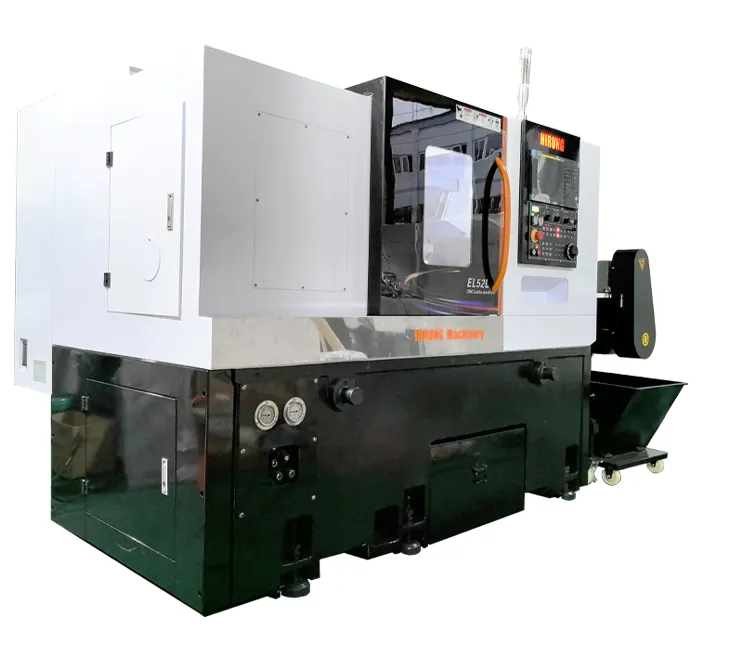
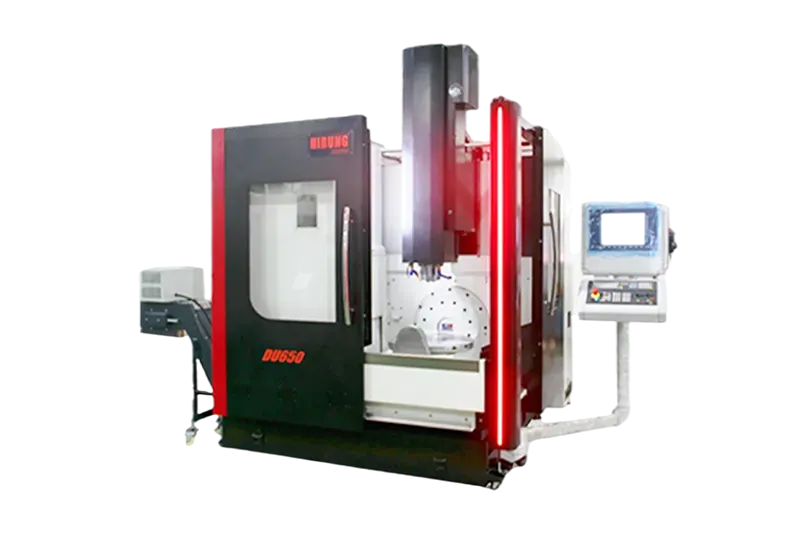
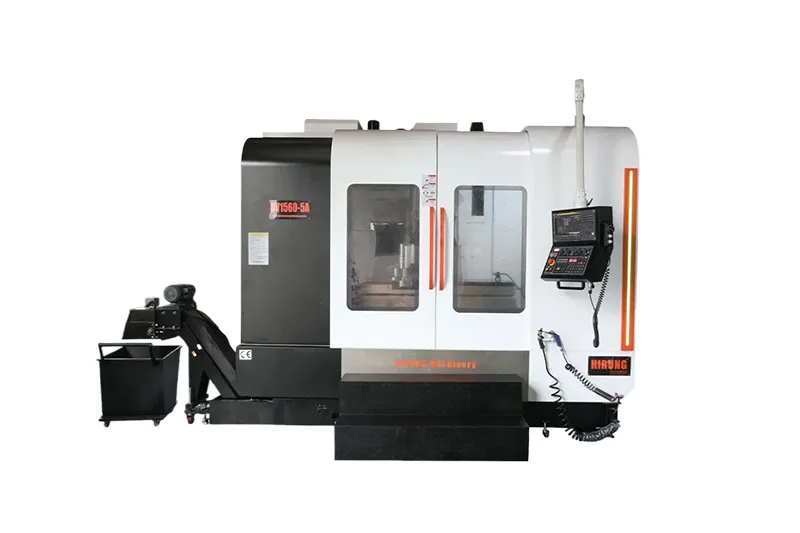
Vertical Machining Centers (VMCs) are foundational tools in modern manufacturing, primarily used for precision tasks such as milling, drilling, tapping, and contouring on a vast array of materials. Their applications span critical industries, from crafting complex aerospace components and automotive engine parts to producing intricate medical implants and the molds used for mass-produced consumer goods, making them a versatile workhorse for both prototyping and full-scale production.
Table of Contents
- What is a Vertical Machining Center (VMC)?
- Core Machining Operations: What Can a VMC Actually Do?
- Where are Vertical Machining Centers Used? A Cross-Industry Exploration
- Aerospace and Defense: Crafting Flight-Critical Components
- Automotive Sector: Driving Production from Prototypes to Powertrains
- Medical and Healthcare: Manufacturing Life-Saving Devices
- Mold, Die, and Tooling: The Foundation of Mass Production
- Electronics and Consumer Goods: Precision in a Miniaturized World
- Why Choose a VMC? Unpacking the Key Advantages
- VMC vs. HMC: Which Machining Center is Right for Your Application?
- The Evolution and Future of VMCs in Manufacturing
- Conclusion: The Enduring Role of the VMC in a Smart Factory
What is a Vertical Machining Center (VMC)?
A Vertical Machining Center (VMC) is a type of computer numerical control (CNC) machine tool where the primary cutting spindle is oriented vertically. This orientation dictates how the tool approaches the workpiece, which is typically mounted on a horizontal table below. VMCs are celebrated for their precision, versatility, and relative ease of use, making them a staple in machine shops and manufacturing facilities worldwide. They excel at creating 2.5D and 3D geometries, performing a multitude of operations in a single setup.

Defining the VMC: The Vertical Spindle Advantage
The defining characteristic of a VMC is its vertically aligned spindle. This design allows gravity to work in the machinist’s favor, particularly during setup and for heavy workpieces. The workpiece is secured flat on the machine’s table, and the cutting tool, held in the spindle, moves along the X, Y, and Z axes to remove material. This setup provides excellent visibility of the machining process, allowing operators to easily monitor the cutting action, check for tool wear, and make adjustments on the fly. This “what you see is what you get” nature simplifies programming and setup for less complex parts, making VMCs an ideal entry point into CNC milling and a workhorse for job shops.
Key Components that Drive Precision
The performance of a VMC is a symphony of its core components working in unison. The spindle is the heart of the machine, holding and rotating the cutting tool at high speeds. The worktable secures the workpiece and moves along the X and Y axes. The entire spindle assembly moves up and down on the Z-axis. An Automatic Tool Changer (ATC) is a critical feature, holding a carousel of different tools and swapping them into the spindle as commanded by the CNC program. This automation is what transforms a simple vertical mill into a “machining center,” enabling complex parts with multiple features to be completed in one clamping, drastically reducing cycle times and human error.
Core Machining Operations: What Can a VMC Actually Do?
The versatility of a VMC stems from its ability to perform a wide range of material removal operations using different cutting tools. While often called “milling machines,” their capabilities extend far beyond that. The CNC controller precisely guides the tool path for each operation, ensuring unparalleled accuracy and repeatability. These operations form the building blocks of nearly every machined component.
From creating flat surfaces and pockets to drilling precise holes and cutting threads, a single VMC can replace several conventional machines. This consolidation of processes minimizes part handling, reduces the chance of setup errors, and streamlines the entire production workflow. The table below outlines the primary functions and their purpose.
| Operation | Description | Typical Application |
|---|---|---|
| Milling | Using a rotating multi-point cutting tool to remove material from a workpiece. This includes face milling (creating flat surfaces) and peripheral milling (creating slots, pockets, and contours). | Creating engine block surfaces, shaping mold cavities, machining electronic enclosures. |
| Drilling | Producing a round hole in the workpiece using a rotating drill bit. | Creating bolt holes in flanges, pilot holes for tapping, and mounting holes in chassis. |
| Tapping | Cutting internal threads into an existing hole using a tool called a tap. VMCs can perform rigid tapping for high-precision threads. | Creating threaded holes for screws and bolts in any mechanical assembly. |
| Boring | Enlarging a pre-drilled hole to a very precise diameter and with a high-quality surface finish using a single-point cutting tool. | Finishing cylinder bores in engines, creating precise bearing housings. |
| Contouring | Simultaneously controlling two or more axes to machine complex curves, surfaces, and 3D shapes. | Sculpting aerospace structural components, creating ergonomic shapes for medical implants. |
Where are Vertical Machining Centers Used? A Cross-Industry Exploration
The application of VMCs is not limited to a single sector; rather, their flexibility makes them indispensable across the entire spectrum of modern manufacturing. Any industry that requires precise, repeatable metal, plastic, or composite parts is a likely user of this technology.
Aerospace and Defense: Crafting Flight-Critical Components
The aerospace industry demands the utmost precision and material integrity. VMCs are critical for manufacturing a wide range of components from aluminum alloys, titanium, and high-temperature superalloys like Inconel. Applications include machining structural airframe components, brackets, landing gear parts, and housings for avionics. The ability of 5-axis VMCs to machine complex, contoured surfaces in a single setup is particularly vital for producing turbine blades and impellers, where both aerodynamic performance and structural strength are non-negotiable.
Automotive Sector: Driving Production from Prototypes to Powertrains
In the automotive world, VMCs are used at every stage, from rapid prototyping of new designs to full-scale production of engine and transmission components. They are used to machine engine blocks, cylinder heads, transmission cases, and suspension components. Furthermore, the mold and die industry, which is a key supplier to automotive, relies heavily on VMCs to create the injection molds for plastic interior parts and the stamping dies for body panels. The VMC’s balance of speed, precision, and cost-effectiveness is perfectly suited for the high-volume, cost-sensitive nature of automotive manufacturing.
Medical and Healthcare: Manufacturing Life-Saving Devices
The medical device industry requires parts with extreme precision, excellent surface finishes, and traceability. VMCs are the machine of choice for producing a variety of life-saving and life-enhancing products. This includes custom-machined orthopedic implants like knee and hip replacements, spinal fusion cages, and bone plates from materials such as titanium and PEEK. They are also used for manufacturing intricate surgical instruments, components for diagnostic equipment, and custom dental prosthetics. The accuracy of a VMC ensures that these devices meet stringent FDA regulations and perform flawlessly within the human body.
Mold, Die, and Tooling: The Foundation of Mass Production
Nearly every mass-produced item, from a plastic bottle cap to a car bumper, starts with a mold or a die. The mold and die industry is arguably one of the most significant users of VMCs. These machines are used to meticulously sculpt hardened tool steels to create injection molds, blow molds, stamping dies, and forging dies. The high precision and ability to create complex 3D surfaces are essential for ensuring the final products have the correct shape, texture, and dimensional accuracy. The VMC’s role here is foundational, enabling the mass production that powers our consumer-driven economy.
Electronics and Consumer Goods: Precision in a Miniaturized World
The sleek aluminum body of a laptop, the intricate housing of a smartphone, and the heat sinks that cool our electronics are often produced on VMCs. In this sector, aesthetics and functionality go hand in hand. VMCs provide the precision needed to machine thin-walled enclosures, create features for buttons and ports, and engrave logos with crisp detail. They are used for both prototyping new electronic gadgets and for the production of heat sinks, chassis, faceplates, and other high-end hardware components where a premium look and feel are desired.
Why Choose a VMC? Unpacking the Key Advantages
While other machining configurations exist, the enduring popularity of the VMC is due to a compelling set of advantages that align with the needs of many machine shops and manufacturing operations. These benefits often make it the most practical and economical choice for a wide range of jobs.
Enhanced Visibility and Ease of Setup
One of the most user-friendly aspects of a VMC is the direct line of sight to the workpiece and cutting tool. This high visibility makes it significantly easier for operators to set up jobs, touch off tools, and monitor the machining process. For prototyping, one-off jobs, or when training new machinists, this is a major benefit. Problems can be spotted and corrected quickly, reducing the risk of costly crashes or scrapped parts. This simplicity translates to faster setups and greater operator confidence.
Cost-Effectiveness and Smaller Footprint
Generally, a VMC has a lower initial purchase price compared to its horizontal counterpart (HMC) of similar size and capability. The simpler design, with fewer components and a more straightforward construction, contributes to this cost difference. Additionally, VMCs typically occupy less floor space. For small to medium-sized shops where both capital and square footage are at a premium, the VMC presents a highly attractive and powerful investment.
Versatility for a Wide Range of Part Sizes
VMCs are incredibly versatile. They can efficiently machine very small, intricate parts, and larger models can handle sizable plate work and die blocks. While extremely large and heavy workpieces are often better suited for HMCs or gantry mills, the VMC covers a “sweet spot” of part sizes that encompasses a massive portion of all manufactured goods. This makes it an all-around performer for job shops that see a high mix of different parts come through the door.
VMC vs. HMC: Which Machining Center is Right for Your Application?
Choosing between a Vertical Machining Center and a Horizontal Machining Center (HMC) is a critical decision based on the specific application, production volume, and part geometry. While both are powerful CNC machines, their fundamental difference in spindle orientation leads to distinct advantages in different scenarios.
A VMC is often the go-to for single-sided work, die/mold applications, and lower-volume production. An HMC, with its pallet-changing systems and superior chip evacuation, shines in high-volume, automated production environments, especially for parts requiring machining on multiple faces. The table below offers a direct comparison to guide this choice.
| Feature | Vertical Machining Center (VMC) | Horizontal Machining Center (HMC) |
|---|---|---|
| Spindle Orientation | Vertical | Horizontal |
| Workpiece Visibility | Excellent. Easy to see the cutting process. | Limited. Often enclosed, relying on cameras. |
| Chip Evacuation | Can be an issue; chips may pool on flat surfaces. Requires high-pressure coolant. | Excellent. Gravity assists in clearing chips from the workpiece. |
| Ideal Workpiece | Heavy, large, flat parts (plate work), single-sided machining, molds/dies. | Cubic or tall parts requiring machining on multiple faces; high-volume production. |
| Automation Potential | Good, but often requires external robotics for pallet changing. | Excellent, typically integrated with a pallet pool system for “lights-out” manufacturing. |
| Cost and Footprint | Lower initial cost, smaller footprint. | Higher initial cost, larger footprint. |
The Evolution and Future of VMCs in Manufacturing
The Vertical Machining Center is not a static technology. It is continuously evolving to meet the growing demands for complexity, speed, and intelligence in manufacturing. Future VMCs will be faster, smarter, and more integrated than ever before, solidifying their role in the factories of tomorrow.
The Rise of 5-Axis VMCs: Machining the Unmachinable
While traditional VMCs operate on 3 axes (X, Y, Z), the most significant evolution has been the widespread adoption of 5-axis VMCs. These machines add two rotary axes (A and B, or B and C) that allow the cutting tool to approach the workpiece from virtually any angle. This capability is transformative. It enables the machining of highly complex, organic shapes in a single setup, eliminating the need for multiple, time-consuming clampings. This is crucial for aerospace components, medical implants, and intricate molds, reducing cycle times and dramatically improving accuracy.
Integration with Automation and Industry 4.0
The future of manufacturing is connected. VMCs are increasingly being designed for seamless integration with automation systems like robotic loaders and pallet changers to enable 24/7 “lights-out” operation. Furthermore, they are becoming key nodes in the Industry 4.0 ecosystem. Onboard sensors monitor tool life, spindle temperature, and vibration, providing real-time data for predictive maintenance. This connectivity allows VMCs to communicate with a factory’s central MES (Manufacturing Execution System), enabling adaptive scheduling, remote monitoring, and data-driven process optimization for a truly smart factory.
Conclusion: The Enduring Role of the VMC in a Smart Factory
The Vertical Machining Center has earned its title as a cornerstone of modern manufacturing. From its fundamental role in creating precise holes and flat surfaces to its advanced capabilities in sculpting complex 5-axis components, its range of applications is immense. Its inherent advantages—visibility, cost-effectiveness, and versatility—make it the right choice for countless jobs across the aerospace, automotive, medical, and electronics industries.
As technology progresses, the VMC is not being left behind. It is evolving with the addition of more axes, greater intelligence, and deeper integration with automation and digital systems. Far from being a simple machine tool, the modern VMC is a sophisticated, data-rich production center, poised to remain an indispensable asset in the competitive, fast-paced world of manufacturing for decades to come.