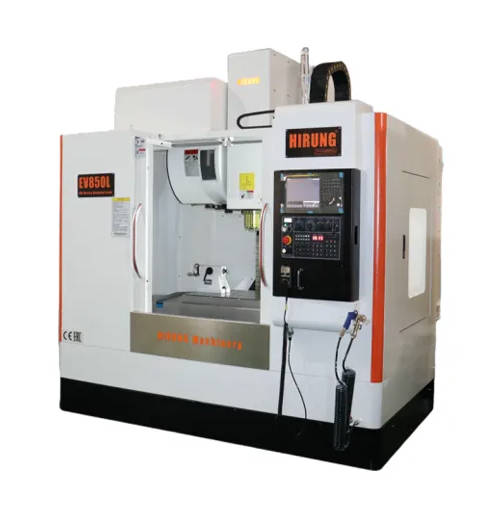
The primary difference between a CNC Vertical Machining Center (VMC) and a Gantry Machining Center lies in their structural architecture and workload capacity. A VMC typically features a C-frame structure where the spindle moves vertically along the Z-axis while the table moves in X and Y directions, making it ideal for smaller, high-precision parts. In contrast, a Gantry Machining Center utilizes a bridge-style structure where the spindle assembly moves across a fixed or moving overhead rail, allowing it to process massive, heavy workpieces with superior stability and a much larger work envelope.
Structural Design: C-Frame vs. Bridge Type
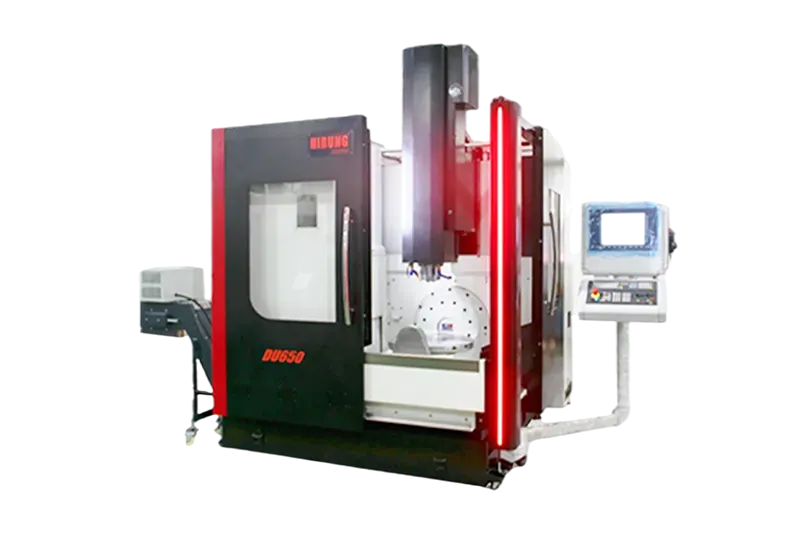
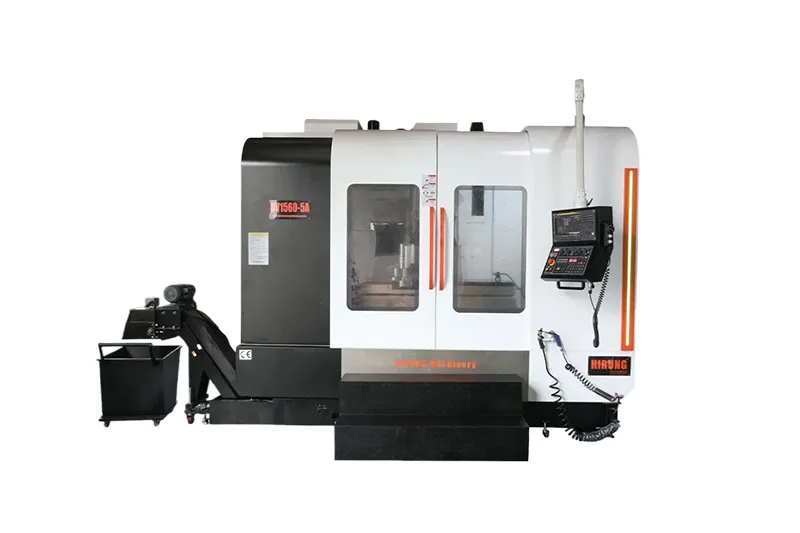
Understanding the fundamental architecture is crucial when choosing between these two powerhouses. A Vertical Machining Center (VMC) is most commonly built on a C-frame design. In this setup, the column, base, and saddle form a “C” shape. The spindle resides on the vertical column, and the workpiece moves on a table that travels along the X and Y axes. This design is compact and highly efficient for rapid movements, but it faces limitations in physical reach as the “throat” of the C-frame restricts the size of the part.
On the other hand, the Gantry Machining Center (often referred to as a Bridge-Type Mill) utilizes two columns supporting a horizontal crossbeam. This creates a “bridge” over the work table. Depending on the design, either the bridge moves over a fixed table (Gantry type) or the table moves under a fixed bridge (Bridge type). This architectural choice eliminates the “overhang” issues found in VMCs, providing a much more balanced distribution of weight and force, which is essential for large-scale industrial machining.
Workpiece Capacity and Load Bearing
Why do manufacturers choose a Gantry over a VMC? The answer usually boils down to scale. VMCs are the workhorses of the tool and die industry, typically handling parts ranging from a few inches to a couple of meters. However, because the table itself must move in X and Y directions, the weight of the workpiece can affect the machine’s inertia and accuracy. If a part is too heavy, it can cause the table to deflect or strain the drive motors.
Gantry Machining Centers redefine the limits of workpiece size. Because the work table is often bolted directly to the foundation (in fixed-table models), it can support tens of thousands of kilograms without breaking a sweat. These machines are designed for massive components like aircraft wing spars, wind turbine hubs, and automotive mold bases. If your project involves a component that is wider than 2 meters or heavier than 5 tons, a Gantry mill is almost certainly the required solution.
Precision, Rigidity, and Vibration Control
In the realm of precision engineering, rigidity is the enemy of vibration. A VMC offers excellent precision for small to medium parts because the travel distances are shorter and the components are lighter, allowing for high-speed spindle RPMs and quick tool changes. However, as the size of a VMC increases, the C-frame is more susceptible to “head nod” or thermal expansion, which can slightly deviate the spindle’s path.
The Gantry design excels in dynamic rigidity. The dual-column support provides a closed-loop structural integrity that naturally dampens vibrations. This allows for heavy-duty cutting and high-torque milling even at the center of a wide span. For industries like aerospace, where tolerances are razor-thin but parts are massive, the inherent stability of the bridge structure ensures that the geometric accuracy remains consistent across the entire machining envelope.
Floor Space and Shop Floor Integration
When evaluating CNC machine tools, shop floor real estate is a premium commodity. A VMC is generally more “space-efficient.” Its footprint is vertical, and because the moving parts are contained within a specific guard area, it is easier to fit into a crowded production line. This makes it the preferred choice for job shops and contract manufacturers who need to maximize their output per square foot.
Conversely, a Gantry Machining Center is a significant investment in floor space. Beyond the physical dimensions of the machine, you must account for the travel of the bridge and the clearance required for loading massive parts via overhead cranes. However, a single Gantry machine can sometimes replace three or four smaller VMCs if the shop is producing large plates or frames, potentially simplifying the workflow logistics and reducing the number of setups required.
Industry-Specific Application Scenarios
Where do these machines truly shine? VMCs are the undisputed kings of the medical, electronics, and general automotive parts sectors. They are perfect for high-volume production of engine components, surgical instruments, and complex aluminum housings where high-speed machining (HSM) is vital.
Gantry Machining Centers dominate heavy industries. You will find them in aerospace assembly plants machining fuselage sections, in shipbuilding for engine blocks, and in the energy sector for large-scale valves and turbines. They are also indispensable for the heavy-duty mold and die industry, specifically for creating large injection molds used for car bumpers or interior panels.
Cost Analysis and Return on Investment
Is the price difference justified? A standard VMC is significantly more affordable, with lower maintenance costs and a wider availability of trained operators. It offers a faster ROI (Return on Investment) for businesses focusing on small-part high-turnover work. The tooling and workholding for VMCs are also standardized and relatively inexpensive.
A Gantry Machining Center represents a much higher capital expenditure. Not only is the machine more expensive, but it also requires specialized foundations (often reinforced concrete) and higher power consumption. However, for companies handling large-format machining, the Gantry is the only way to compete. The ability to machine a massive part in a single setup—rather than multiple setups on smaller machines—saves hundreds of man-hours and eliminates the cumulative errors associated with repositioning workpieces.
Comparison Summary Table
| Feature | Vertical Machining Center (VMC) | Gantry Machining Center |
|---|---|---|
| Structure | C-Frame (Single Column) | Bridge-Type (Double Column) |
| Workpiece Size | Small to Medium | Large to Extra-Large |
| Weight Capacity | Limited (Table-dependent) | Extremely High |
| Rigidity | High (for small parts) | Superior (Balanced support) |
| Cost | Economical | High Investment |
| Best For | Precision components, rapid cycles | Heavy molds, aerospace, energy |
In conclusion, the choice between a CNC Vertical Machining Center and a Gantry Machining Center depends on your specific manufacturing needs. If you require speed, flexibility, and cost-effectiveness for smaller parts, the VMC is your best bet. However, if your business is moving toward massive, complex components that demand the highest levels of structural stability, investing in a Gantry Machining Center is a strategic move that will pay dividends in capability and precision.
CNC Vertical Machining Center, Gantry Machining Center, VMC vs Gantry, Bridge Type Machining Center, CNC milling machine differences, large scale machining, C-frame structure, precision engineering, CNC machine tools, industrial milling, aerospace machining, heavy duty CNC.