I. Introduction: ROI as the Ultimate North Star in 2026
In the industrial landscape of 2026, purchasing a Vertical CNC Machining Center (VMC) is no longer viewed as a simple equipment acquisition; it is a sophisticated financial investment. For modern machine shops and high-volume factories, the “sticker price” of the machine is merely the entry point into a much larger equation of profitability.
The Return on Investment (ROI) for a Vertical CNC Machining Center in 2026 is calculated by subtracting the Total Cost of Ownership (TCO)—comprising CAPEX, energy, labor, and maintenance—from the total revenue generated through increased spindle uptime and reduced scrap rates. In a standard production environment, a high-quality VMC typically achieves a full payback period within 18 to 36 months.
As we navigate a market defined by high energy costs and a shortage of skilled labor, the 2026 ROI model has shifted. Profitability is now driven by “Smart” features: AI-optimized toolpaths, predictive maintenance sensors, and carbon-neutral energy efficiency. This article provides a deep-dive analysis into the costs versus the profits of modern VMC ownership, helping you determine if a new machine is a viable asset for your facility.
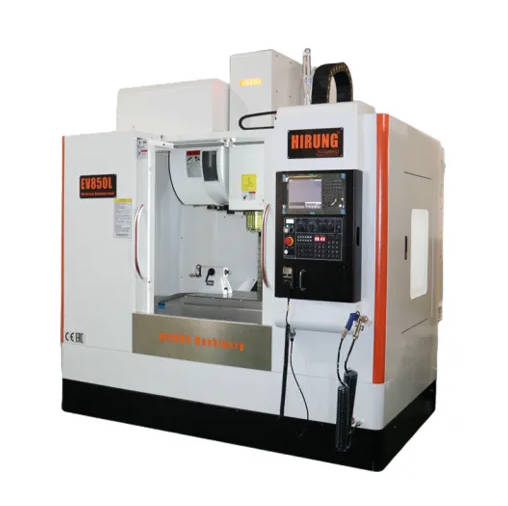
II. The “Cost” Side: Deconstructing the Initial Investment (CAPEX)
The Capital Expenditure (CAPEX) of a VMC involves more than just the iron on the floor. In 2026, the digital and logistical components of an installation represent a significant portion of the upfront cost.
1. The Machine Base Price
While prices fluctuate based on brand and origin, the 2026 market generally follows these tiers:
- Entry-Level (3-Axis): $45,000 – $75,000.
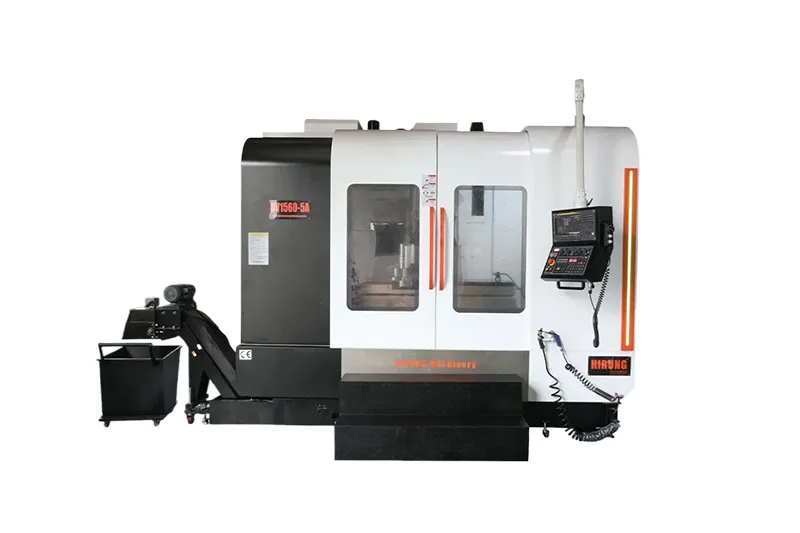
- Mid-Range Production: $80,000 – $150,000.
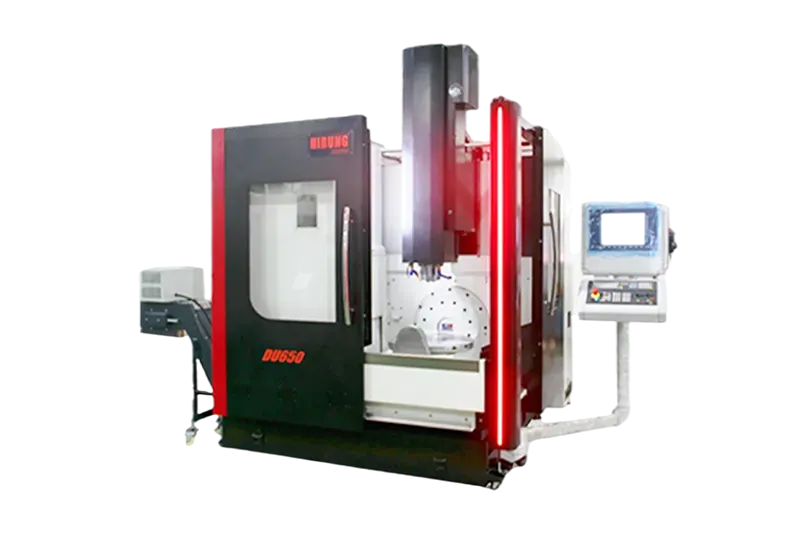
- High-End/Multi-Axis: $180,000 – $350,000+.
2. Logistics, Commissioning, and Installation
Moving a 5,000kg to 10,000kg machine requires precision logistics. In 2026, shipping costs have stabilized, but professional rigging and leveling remain a fixed necessity.
- Rigging and Leveling: $3,000 – $8,000.
- Foundation Prep: If your shop floor isn’t rated for high-vibration machining, adding a reinforced concrete pad can add $5,000 to the budget.
3. Software and Digital Integration
In 2026, a VMC is a node in a network. Most manufacturers now offer “Digital Twin” software and AI-diagnostic suites as a one-time purchase or a subscription (SaaS). Budgeting $5,000 to $15,000 for initial software integration and ERP connectivity is standard for a modern shop.
4. Tooling and Workholding
A VMC is only as productive as its interface with the part.
- Initial Tooling Package: $10,000 – $25,000 (Includes tool holders, collets, and an initial set of end mills/carbide inserts).
- Workholding (Vises/Fixtures): $5,000 – $12,000.
III. The “Ongoing” Side: Operational Expenses (OPEX)
Operating a CNC machine involves “invisible” costs that can erode your ROI if not monitored closely.
1. Labor Costs in 2026
Labor remains the highest variable cost. However, the 2026 trend is “Operator-Lite” manufacturing.
- Skilled Technician: $35 – $60 per hour.
- The ROI Factor: Machines with intuitive, AI-driven interfaces allow less-skilled operators to manage complex tasks, effectively lowering your hourly labor burden by 20%.
2. Energy Consumption
With the 2026 focus on “Green Machining,” energy is a top-tier OPEX item.
- The “Energy ROI”: Investing in a VMC with regenerative braking and IE5-rated high-efficiency motors can reduce annual electricity bills by $2,000 to $4,500 per machine compared to older models.
3. Maintenance and Predictive Sensors
- Traditional Maintenance: 3% to 5% of the machine’s value annually.
- Predictive Maintenance (The 2026 Advantage): Modern sensors monitor spindle vibration and heat. By catching a bearing failure before it happens, shops save an average of $10,000 in emergency repair costs and lost production time per incident.
IV. The “Profit” Side: Revenue Generation Factors
This is where the VMC pays for itself. Profitability is driven by the machine’s ability to produce high-quality parts faster than the competition.
1. Cycle Time Reduction
Modern 2026 controllers process code faster and allow for more aggressive cutting strategies (like High-Efficiency Milling). A VMC that reduces cycle time by just 15% across a 2,000-hour production year can generate an additional $30,000 to $50,000 in high-margin revenue.
2. Accuracy and Scrap Reduction
Scrap is a direct hit to the bottom line.
- Old Machine: 3% to 5% scrap rate.
- 2026 VMC with AI Compensation: <0.5% scrap rate.
- Profit Impact: On expensive materials like titanium or aerospace alloys, reducing scrap is the fastest way to accelerate ROI.
3. Throughput and Spindle Uptime
In 2026, “Spindle Uptime” is the most watched metric.
- Automatic Pallet Changers (APC): Adding an APC allows the machine to cut while the operator loads the next part.
- The Profit Logic: A machine with 90% uptime versus 60% uptime effectively does the work of 1.5 machines, significantly increasing the “Profit per Square Foot.”
V. Calculating the Numbers: The ROI Formula for CNC
To determine your payback period, use this professional framework:
The VMC ROI Table: A Hypothetical 2026 Case Study
| Financial Metric | Mid-Range 3-Axis VMC | High-Speed 5-Axis Cell |
| Total Investment (CAPEX) | $120,000 | $280,000 |
| Average Hourly Billing Rate | $85 / hr | $165 / hr |
| Operational Cost (OPEX) / hr | $35 / hr | $55 / hr |
| Net Profit per Hour | $50 / hr | $110 / hr |
| Annual Spindle Hours | 2,000 hrs | 3,500 hrs (Automated) |
| Annual Net Profit | $100,000 | $385,000 |
| Estimated Payback Period | 14.4 Months | 8.7 Months |
Note: The 5-axis cell, while costing more than double, pays for itself faster due to higher billing rates and automated uptime.
VI. Addressing Common Buyer Doubts (The 7 FAQ Focus)
1. How long should it take for a new VMC to pay for itself?
In 2026, the industry benchmark is 18 to 36 months. Any investment that pays for itself in under 2 years is considered an “Excellent” asset. If the payback period exceeds 5 years, the risk of technological obsolescence becomes a factor.
2. Is leasing better for ROI than buying outright?
Leasing often provides a better immediate ROI on paper because it preserves cash flow and allows for “Off-Balance Sheet” financing, which can have significant tax advantages under 2026 corporate tax laws. However, buying outright results in lower long-term TCO.
3. Does automation (Cobots/Pallets) actually increase ROI?
Yes. While a cobot adds $40,000 to the CAPEX, it allows for “Lights-Out” manufacturing. If that cobot allows the machine to run an extra 4 hours a night, it typically pays for itself in less than 12 months.
4. How does the machine’s resale value affect the ROI?
High-tier brands (like Okuma, Mazak, or DMG Mori) retain 50% to 60% of their value after 5 years. This “Residual Value” should be factored into your TCO. A cheaper machine with a zero resale value can actually be more expensive over a 5-year lifecycle than a premium machine with high resale demand.
5. What is the hidden cost of “Cheap” machines?
The hidden cost is unreliability. If a budget VMC is down for two weeks waiting for parts from overseas, the lost revenue (often $500–$1,000 per day) quickly exceeds the initial $20,000 savings on the purchase price.
6. Can software upgrades improve the ROI of an existing machine?
Absolutely. In 2026, many shops “retrofit” older machines with modern AI-driven CAM software or vibration sensors. This can extend the profitable life of a machine by 3 to 5 years for a fraction of the cost of a new unit.
7. How do 2026 “Green” subsidies impact the profit analysis?
Many regions now offer 10% to 20% tax rebates for “Energy Star” rated industrial equipment. This immediate reduction in CAPEX can shave 4 months off your payback period.
VII. Strategic Summary: Maximizing Your Investment
To achieve the best possible ROI, you must look beyond the machine.
- Application First: Don’t buy a 5-axis machine if you only make simple brackets. Match the machine’s capability to your highest-margin work.
- Data-Driven Management: Use the 2026 “Smart” features to track your OEE (Overall Equipment Effectiveness). You cannot improve what you do not measure.
- Human Capital: Invest in training. A highly skilled programmer can squeeze 20% more profit out of the same VMC compared to a novice.
VIII. Conclusion: The Verdict on 2026 VMC Investments
The ROI of a Vertical CNC Machining Center in 2026 remains one of the strongest in the manufacturing sector. By focusing on “Profit per Hour” rather than just the initial price tag, savvy buyers can build a resilient, highly profitable shop floor. Whether you choose a versatile 3-axis workhorse or a fully automated 5-axis cell, the key is to ensure the machine is cutting—not sitting idle.