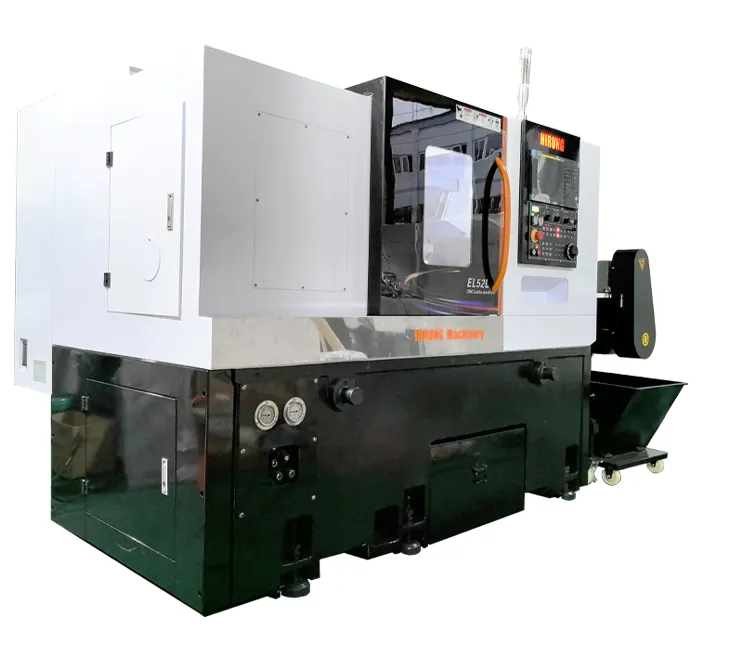
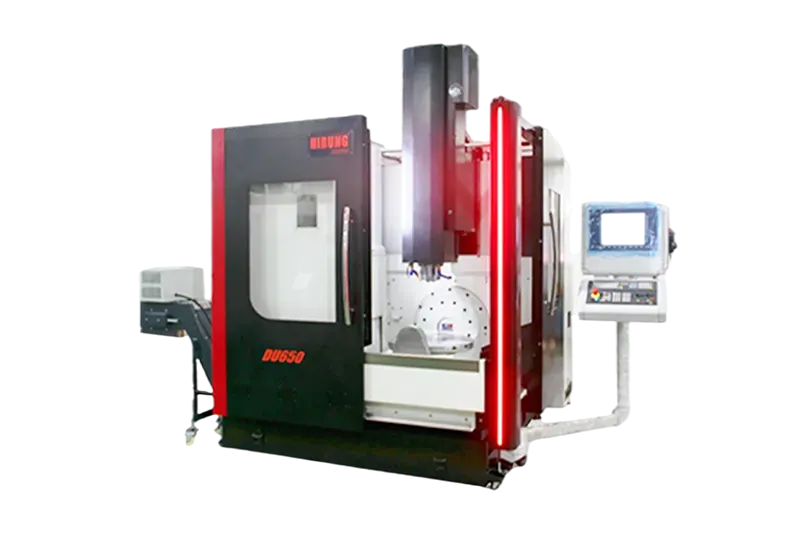
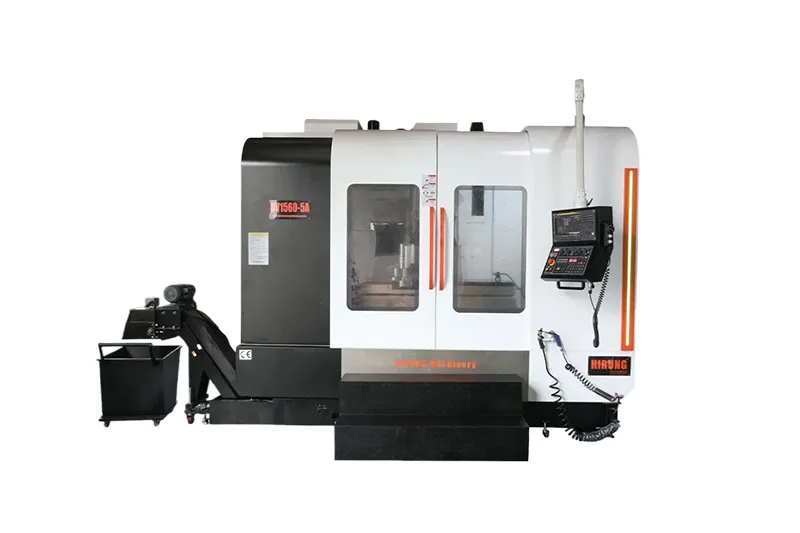
When choosing between a cheap vs. high-end CNC vertical machining center (VMC), the primary sacrifice is not just the initial purchase price, but the long-term geometric accuracy, thermal stability, and structural rigidity required for high-precision manufacturing. While entry-level machines are suitable for prototyping and light-duty aluminum work, high-end VMCs offer superior spindle torque, advanced control systems like Heidenhain or Fanuc, and robust iron castings that minimize vibration, ensuring a significantly lower total cost of ownership (TCO) through reduced downtime and longer tool life.
1. Structural Integrity: Cast Iron vs. Fabricated Frames
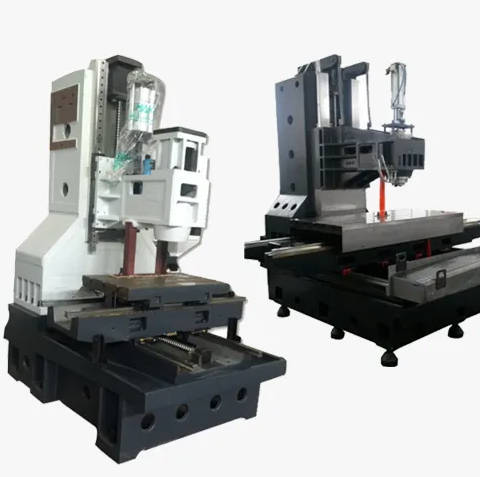
The foundation of any Vertical Machining Center dictates its ability to handle heavy chips and maintain tolerances over time. High-end manufacturers typically use Meehanite cast iron, which undergoes a rigorous seasoning process to relieve internal stresses. This results in a heavy, vibration-dampening base that allows for aggressive cutting parameters without “chatter.”
In contrast, budget CNC machines often sacrifice mass to save on shipping and material costs. These lighter frames are prone to harmonic resonance. When the machine vibrates, your surface finish suffers, and your carbide end mills chip prematurely. If you are wondering “Why is a high-end VMC so much heavier?” it is because mass equals stability in the world of subtractive manufacturing.
2. Spindle Performance and Torque Curves
The spindle is the heart of the VMC. High-end CNC vertical machining centers feature spindles with high-grade ceramic bearings, liquid cooling systems, and dual-contact (Big-Plus) interfaces. These features allow the machine to run at high RPMs for hours without thermal expansion affecting the Z-axis offset. Furthermore, premium machines provide a wide constant-power band, meaning they maintain high torque even at lower speeds for heavy steel milling.
Cheap VMCs usually employ “off-the-shelf” spindles with limited cooling. As the spindle heats up, it expands, causing the tool position to drift. For a shop doing tight-tolerance aerospace work, a 0.001″ drift is the difference between a finished part and a scrap piece. When you buy cheap, you sacrifice the ability to perform heavy roughing and high-speed finishing on the same platform.
3. Precision Motion: Linear Guides vs. Box Ways
How does a machine move? Budget machines almost exclusively use linear roller guides. While these are fast and excellent for light-duty work, they lack the dampening characteristics of hand-scraped box ways often found on premium “heavy-metal” machines. High-end VMCs use precision-ground ballscrews (often hollow and oil-cooled) to prevent pitch errors caused by friction-induced heat.
What do you sacrifice in motion control? Accuracy and repeatability. A premium machine might guarantee a positioning accuracy of ±0.0001″, whereas a budget machine might only manage ±0.0005″. While this sounds small, these errors compound during complex 3D surfacing, leading to visible “steps” on the workpiece that require manual polishing.
4. The Brain of the Machine: Control System Capabilities
The CNC controller (the “brain”) determines how fast the machine can process lines of code. High-end brands like Mori Seiki, Makino, or Okuma use proprietary or highly optimized controllers with massive “look-ahead” capabilities. This allows the machine to slow down slightly before a sharp corner and accelerate out of it, maintaining high feed rates without overshooting the geometry.
Cheap VMCs often use basic controllers with slow processors. If the block processing speed is too slow, the machine will “stutter” during complex high-speed machining (HSM) toolpaths. This not only ruins the surface finish but also puts unnecessary stress on the machine’s drive motors. You are also sacrificing advanced features like collision detection, tool life management, and remote diagnostics.
5. Thermal Stability and Compensation
A machine shop’s temperature fluctuates throughout the day. High-end VMCs are designed with symmetrical castings and active thermal compensation sensors. The controller monitors the temperature of the spindle and the ambient air, automatically adjusting the machine’s coordinates in real-time to compensate for metal expansion.
On a budget machine, you are the thermal compensation system. This means you may have to “warm up” the machine for an hour every morning or re-zero your tools every few hours as the shop heats up. For high-production environments, this lost time represents a significant opportunity cost that quickly offsets the initial savings of a cheaper machine.
6. The Hidden Costs: Maintenance, Support, and Resale Value
When a machine goes down, how much does it cost you per hour? High-end manufacturers typically provide robust service networks and guaranteed parts availability for decades. A budget machine from an overseas vendor may have a lower price tag, but if a proprietary board fails and the lead time is six weeks, the “cheap” machine becomes the most expensive asset in your shop.
Additionally, consider resale value. A 10-year-old high-end VMC (like a Haas or a Mazak) retains a significant percentage of its value on the used market. A 10-year-old “no-name” budget machine is often worth little more than its weight in scrap metal. When you invest in quality, you are protecting your capital.
7. Summary Comparison: Budget vs. Premium VMCs
| Feature | Cheap/Entry-Level VMC | High-End/Premium VMC |
|---|---|---|
| Frame Construction | Lightweight / Fabricated | Heavy Meehanite Cast Iron |
| Spindle Cooling | Fan/Air Cooled (Minimal) | Active Liquid Chiller |
| Positioning Accuracy | Lower (±0.0005″ or more) | Ultra-High (±0.0001″ or less) |
| Controller | Basic / Low Look-Ahead | Advanced (AI/HSM Optimized) |
| Service Life | 5–8 Years (Heavy Use) | 15–20+ Years |
In conclusion, choosing between a cheap vs. high-end CNC vertical machining center depends entirely on your business model. If you are running a hobby shop or making simple brackets with wide tolerances, a budget machine is a logical choice. However, if your goal is high-volume production, aerospace-grade precision, or long-term reliability, the sacrifices made with a cheap machine—namely accuracy, speed, and support—will eventually cost you more than the premium you would have paid upfront.