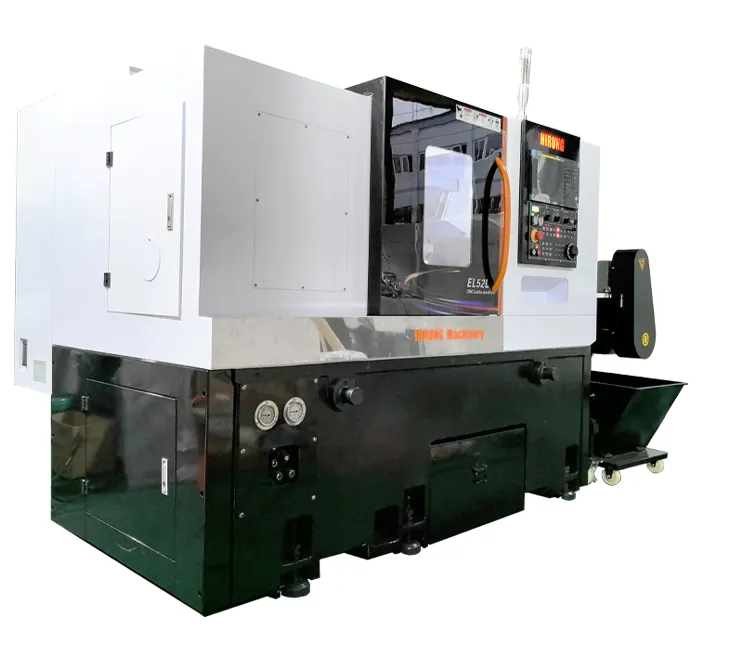
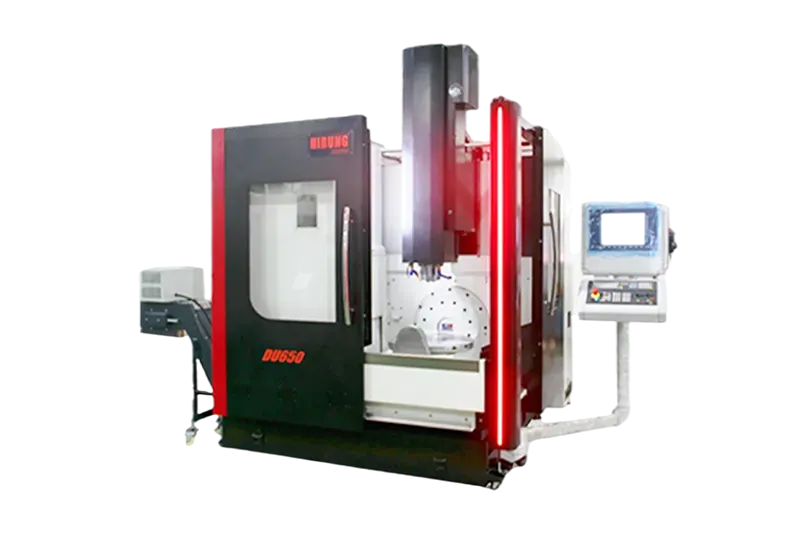
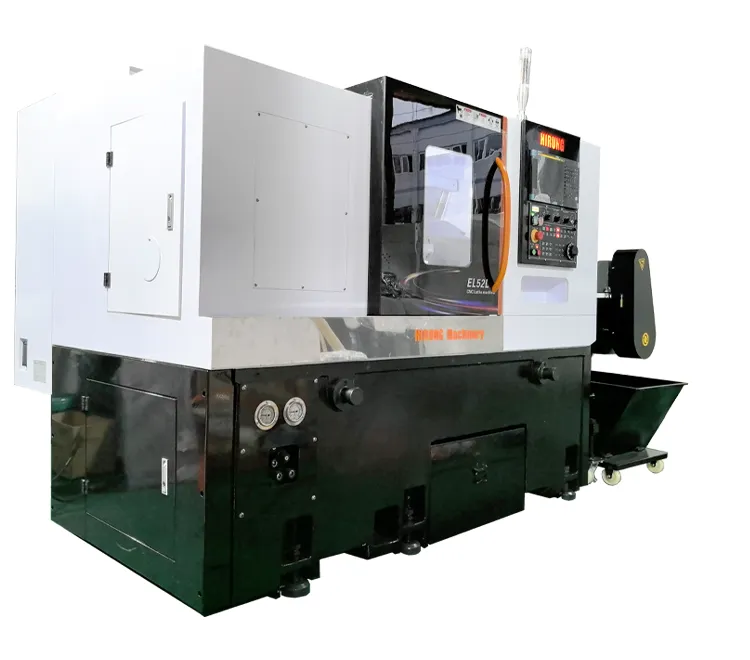
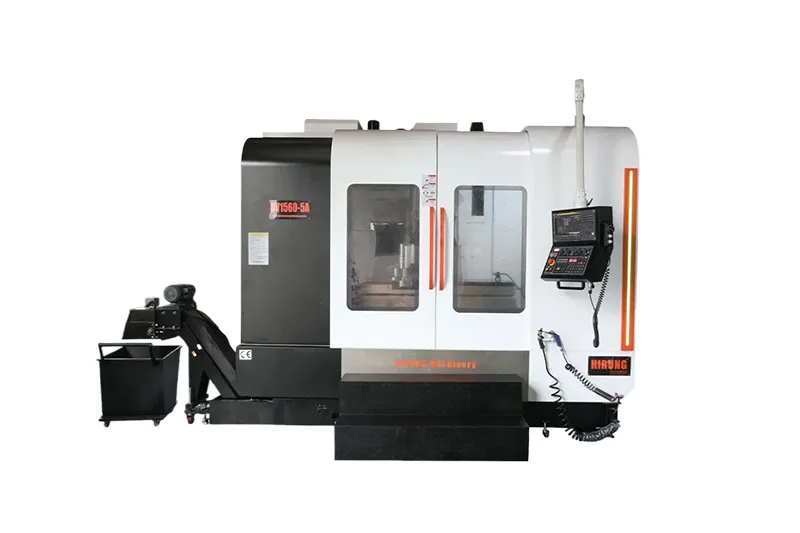
A CNC machine buying guide should not only explain machine specifications; it should also help buyers understand hidden costs, real machining performance, installation requirements, maintenance risks, and supplier support quality. Many CNC machine suppliers will show spindle speed, travel size, tool magazine capacity, and price, but they may not clearly explain whether the machine is suitable for your actual parts, materials, tolerances, production volume, and factory conditions.
This does not mean every supplier is dishonest. In many cases, buyers simply ask the wrong questions. A catalog can tell you what the CNC machine includes, but it may not tell you how the machine will perform after six months of cutting steel, how easy it is to solve electrical faults, whether your workshop floor is ready, or whether your tooling budget is realistic.
For companies considering a vertical CNC machining center, the most important question is not “Which machine has the highest specification?” but “Which machine can produce my parts reliably, profitably, and repeatedly?”
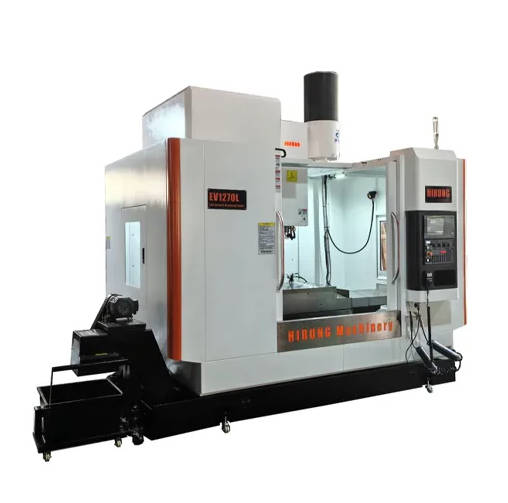
HIRUNG’s EV Series, for example, includes multiple vertical machining center models with different travels, table sizes, spindle configurations, tool magazine capacity, table load, control options, and optional accessories such as 4-axis rotary tables, 5-axis rotary tables, Renishaw probing, optical rulers, and through-spindle coolant. Buyers can review the EV Series vertical CNC machining centers as a practical reference when comparing machine specifications against real production needs.
Why CNC Machine Buyers Often Make the Wrong Decision
Many CNC machine purchasing mistakes happen because buyers compare machines only by price and headline specifications.
A typical buyer may ask:
“ What is the price?”
“ What is the spindle speed?”
“ What is the table size?”
“ What CNC system does it use?”
“ How long is delivery?”
These are important questions, but they are not enough. A CNC machine is not a standalone product like a power tool. It is part of a production system that includes tooling, workholding, programming, coolant, chip removal, inspection, operator skill, spare parts, service response, and machine stability.
The cheapest CNC machine is not always the lowest-cost machine if it causes poor accuracy, tool wear, unstable cutting, long setup time, or frequent downtime.
A more practical buying decision should consider total machining cost, not just purchase price.
What Suppliers May Not Emphasize Clearly
1. Machine Price Is Only Part of the Total Investment
Many suppliers focus on the machine quotation because that is what buyers compare first. But the real investment includes far more than the machine body.
| Cost Item | Why It Matters |
|---|---|
| Machine price | Main purchase cost, but not the full investment |
| Freight and insurance | Important for imported CNC machines |
| Installation and leveling | Affects geometry, accuracy, and vibration |
| Foundation preparation | Required for stable cutting and long-term accuracy |
| Power supply | Voltage, phase, grounding, and capacity must match |
| Air compressor | Needed for tool change, cleaning, and pneumatic functions |
| Coolant system | Affects tool life, chip removal, and surface finish |
| Tool holders and cutting tools | Major recurring and startup cost |
| Vises and fixtures | Essential for repeatable production |
| CAM software | Needed for efficient programming |
| Inspection tools | Required to verify tolerance and quality |
| Operator training | Reduces crashes, scrap, and downtime |
| Spare parts | Important for long-term maintenance |
A buyer may save money on the machine but spend more later because they did not plan tooling, fixtures, or inspection equipment.
For a vertical machining center, the first setup budget should usually include tool holders, end mills, drills, taps, face mills, vises, fixture plates, coolant, cleaning tools, measuring instruments, and basic spare parts.
2. Specification Sheets Do Not Show Real Cutting Performance
A CNC machine specification sheet may list spindle speed, spindle power, rapid feed rate, table load, and positioning accuracy. These numbers are useful, but they do not fully describe real machining performance.
For example, two VMC machines may both have a 10,000 rpm spindle, but their actual cutting behavior can differ because of:
- Spindle bearing quality
- Spindle taper and connection type
- Machine casting rigidity
- Column and base structure
- Ball screw and guideway quality
- Thermal stability
- Servo tuning
- Coolant and chip evacuation
- Tool holding system
- Cutting parameter optimization
A CNC machine with impressive catalog specifications can still perform poorly if the structure, spindle support, guideways, and thermal control are not suitable for your material and cutting load.
This is especially important for buyers machining steel, cast iron, molds, or parts requiring consistent accuracy.
HIRUNG’s EV Series page lists structural features such as cast iron construction, heat treatment, broad base design, chip management structure, enhanced Z-axis rigidity, and high-rigidity roller-type linear guideways. These are the kinds of details buyers should evaluate beyond simple speed and travel numbers.
3. Larger Is Not Always Better
Some buyers assume that a larger CNC machine is always safer because it gives more capacity. This is not always true.
A larger machine may offer more travel and table load, but it can also require:
- More floor space
- Higher shipping cost
- Larger foundation area
- More power
- Larger tools and fixtures
- Higher maintenance cost
- More expensive spare parts
- Longer warm-up and setup time
If most of your parts are small or medium-sized, an oversized VMC may reduce workshop efficiency. On the other hand, a machine that is too small can limit future orders and create fixture problems.
The right choice is to match the machine to your regular workpiece range, not only your largest possible job.
| Buyer Situation | Better Selection Logic |
|---|---|
| Mostly small aluminum parts | Choose speed, accuracy, and efficient setup |
| General steel parts | Balance rigidity, torque, and work envelope |
| Mold inserts | Prioritize stability, spindle quality, and finish capability |
| Large plates or fixtures | Check table size, travel, and table load |
| Heavy parts | Prioritize casting, BT type, torque, and table capacity |
| Frequent job changes | Prioritize tool magazine, probing, and control usability |
HIRUNG’s EV Series includes different model sizes, from compact travel ranges to larger models with longer X-axis travel and heavier table load capacity, giving buyers room to match machine size to real production needs.
4. Accuracy Numbers Need Context
Suppliers may list positioning accuracy and repeatability, but buyers should understand what those numbers mean in real production.
Accuracy can be affected by:
- Machine leveling
- Ambient temperature
- Spindle heat
- Cutting heat
- Tool wear
- Workholding deformation
- Operator setup
- Part material stress
- Measurement method
- Machine maintenance
A catalog accuracy value does not automatically mean every part will be produced within that tolerance. For example, a machine may repeat well under test conditions, but your part may still go out of tolerance because of poor clamping, wrong cutting strategy, or thermal expansion.
CNC machine accuracy is a system result: machine structure, installation, tooling, programming, workholding, temperature, and inspection must work together.
Before buying, ask the supplier:
- What accuracy standard is used?
- Is the accuracy measured before shipment?
- Is an inspection report provided?
- What is the recommended warm-up procedure?
- What foundation and leveling conditions are required?
- Are linear scales available if higher accuracy is needed?
For buyers considering higher precision requirements, optional configurations such as optical rulers or probing systems may be worth evaluating.
5. Tool Magazine Capacity Matters More Than Buyers Expect
Some buyers think tool magazine capacity is only important for mass production. In reality, small-batch and job-shop work often requires many tools because different jobs need different cutters.
A single part may require:
- Face mill
- Roughing end mill
- Finishing end mill
- Ball nose end mill
- Spot drill
- Drill
- Chamfer tool
- Tap
- Reamer
- Thread mill
- Probe
- Backup tools
If the tool magazine is too small, the operator must change tools manually more often. This increases setup time and creates a higher risk of tool offset errors.
HIRUNG’s EV Series lists a 24-tool magazine configuration across the technical specification table, and the product page also mentions a 24-tool arm-type tool magazine. For many VMC buyers, a 24-tool magazine is a practical starting point for general machining work.
6. Chip Removal Is Not a Small Detail
Chip management is often ignored until production starts. Poor chip removal can cause tool damage, recutting, surface defects, coolant contamination, and downtime.
Chip problems are especially common when machining:
- Aluminum with long chips
- Cast iron with fine powder
- Steel with heavy chips
- Deep pockets
- High-volume parts
- Materials that require stable coolant flow
A CNC vertical machining center should have a chip removal system matched to the material and production volume. Options may include screw type, scraper type, hinge type, magnetic filter type, or compound systems depending on chip type and application. HIRUNG’s EV Series page lists multiple chip removal options, including front or rear chip removal directions and different system types.
If chip removal is not planned before purchase, the machine may lose productivity even if the cutting performance is strong.
CNC Machine Buying Checklist: What to Ask Before You Pay
Use this table as a practical CNC machine buying guide when comparing suppliers.
| Question to Ask | Why It Matters |
|---|---|
| What materials is this machine commonly used for? | Confirms whether spindle and structure match your work |
| What part size range is suitable? | Avoids choosing too small or too large a machine |
| What is the table load including fixture weight? | Prevents overloading the machine |
| What spindle options are available? | Matches aluminum, steel, mold, or heavy cutting needs |
| What CNC control systems are available? | Affects programming, operation, and support |
| What tool magazine capacity is standard? | Impacts setup time and production flexibility |
| What chip removal options are available? | Important for continuous production |
| Are probing or tool measurement systems available? | Improves setup efficiency and process control |
| What inspection report is provided before shipment? | Supports acceptance and quality verification |
| What installation support is included? | Reduces startup risk |
| What spare parts are available? | Affects long-term downtime control |
| What after-sales support process is used? | Critical for overseas buyers and small factories |
Vertical CNC Machining Center: What to Evaluate Specifically
If you are buying a vertical CNC machining center, pay close attention to the following areas.
Work Envelope
Check X/Y/Z travel, table size, spindle nose-to-table distance, and fixture clearance. Do not compare only part size. Include the vise, fixture plate, clamps, rotary table, tool length, and safe machining clearance.
Spindle Configuration
For aluminum and light alloy parts, higher spindle speed may be useful. For steel, mold bases, and heavy roughing, torque and rigidity are often more important than maximum rpm.
BT Type and Tooling Compatibility
BT40 is commonly used for many small and medium VMC applications. BT50 may be preferred for heavier cutting, larger tools, or more demanding materials. Buyers should match the spindle taper to the cutting load and tooling plan.
Guideways and Ball Screws
Guideway and ball screw quality affect motion stability, rigidity, and long-term precision. For production work, do not treat these as minor details.
Cooling and Lubrication
A stable coolant system, spindle cooling, central lubrication, and electrical cabinet heat control can all influence machine reliability.
Optional Accessories
Options are not always luxury items. In many workshops, a 4th-axis rotary table, tool setter, work probe, optical ruler, or through-spindle coolant can directly improve productivity and accuracy.
The HIRUNG EV Series CNC vertical machining center lists standard accessories such as splash guard, cooling system, spindle oil cooling, central lubrication, air blast, heat exchanger, manual pulse generator, working light, tool magazine, oil-water separation device, and safety door lock. It also lists optional accessories including rotary tables, Renishaw measuring devices, optical rulers, and through-spindle coolant.
What a Good CNC Machine Supplier Should Tell You
A reliable supplier should not only send a quotation. They should help you make a correct technical decision.
A professional supplier should ask:
- What parts will you machine?
- What are the materials?
- What are the largest and smallest part sizes?
- What tolerances are required?
- What is the typical batch size?
- Do you need roughing, finishing, drilling, tapping, or mold work?
- Do you need 4-axis or 5-axis capability?
- What control system do your operators know?
- What is your workshop power supply?
- Do you have air, coolant, tooling, and inspection equipment ready?
- Who will install and maintain the machine?
If a supplier recommends a machine without asking about your parts, process, and factory conditions, the recommendation may be incomplete.
A good CNC machine supplier should help you reduce selection risk, not simply push the model with the highest price or shortest delivery time.
HIRUNG’s product page FAQ suggests that buyers provide required machine models, configuration requirements, and drawings of processed parts so engineers can provide a selection plan. That is the type of process buyers should expect when sourcing a VMC.
Common CNC Machine Buying Mistakes
Mistake 1: Buying Based on Spindle Speed Alone
High spindle speed is useful in many applications, but it is not the only measure of performance. For steel and heavy cutting, torque, rigidity, and cooling may matter more.
Mistake 2: Ignoring Workshop Conditions
A CNC machine needs proper power, air, floor stability, coolant handling, and enough space for maintenance. Without these, even a good machine may perform poorly.
Mistake 3: Underestimating Tooling Cost
A VMC cannot produce quality parts without proper tools, holders, fixtures, and inspection instruments.
Mistake 4: Choosing the Wrong Machine Size
Too small limits future jobs. Too large wastes money and floor space. Match the machine to your most common profitable work.
Mistake 5: Not Asking About After-Sales Support
Downtime is expensive. Before buying, check fault diagnosis, spare parts, manuals, remote support, and local service options.
Mistake 6: Not Planning Operator Training
A CNC machine crash can be costly. Training in setup, offsets, tool measurement, programming, and maintenance should be part of the purchase plan.
Practical Buying Advice for First-Time VMC Buyers
If this is your first vertical machining center, use a conservative and production-focused selection process.
First, collect sample drawings and identify the parts you expect to machine most often. Second, define your material range and tolerance requirements. Third, choose a machine size that covers your regular work with some capacity margin. Fourth, prepare a realistic tooling and fixture budget. Fifth, ask the supplier to confirm standard accessories, optional accessories, installation requirements, warranty terms, and after-sales support.
For many small and medium manufacturers, a well-configured VMC is a more practical first investment than a highly specialized machine. It can support milling, drilling, tapping, boring, slotting, and many general machining tasks.
If your work involves general metal parts, molds, fixture components, precision plates, or small to medium batch production, you can compare model sizes and configurations in the EV Series vertical machining center lineup.
FAQ
What should I know before buying a CNC machine?
Before buying a CNC machine, you should know your part size, material, tolerance, batch size, required operations, workshop power supply, tooling budget, fixture needs, inspection method, and supplier support capability. Machine price alone is not enough for a correct decision.
What are the hidden costs of CNC machines?
Common hidden costs include freight, installation, leveling, power preparation, air compressor, coolant, tool holders, cutting tools, vises, fixtures, CAM software, inspection tools, operator training, spare parts, and maintenance.
How do I choose a vertical machining center?
To choose a vertical machining center, match the machine’s travel, table size, table load, spindle configuration, tool magazine, control system, chip removal, and optional accessories to your real parts and production volume.
Is a higher spindle speed always better for a CNC machine?
No. Higher spindle speed can help with aluminum, finishing, and small tools, but steel machining and heavy cutting often require torque, rigidity, thermal stability, and proper tool holding more than maximum rpm.
What questions should I ask a CNC machine supplier?
Ask about suitable materials, machine structure, spindle options, table load, accuracy standards, tool magazine capacity, control system, chip removal, installation support, spare parts, warranty, after-sales service, and whether the supplier can recommend a model based on your part drawings.
Why is machine rigidity important in CNC machining?
Machine rigidity helps reduce vibration, improve surface finish, maintain accuracy, extend tool life, and support stable cutting. It is especially important when machining steel, cast iron, molds, or parts with tight tolerances.
Do I need a 4-axis option on a VMC machine?
A 4-axis option is useful if you machine multi-sided parts, round parts with milled features, or parts that require indexed positioning. It can reduce setups and improve repeatability, but it should be selected based on actual part requirements.
Conclusion
CNC machine suppliers often highlight price, spindle speed, travel, and delivery time because these are easy to compare. But experienced buyers know that the real decision is deeper. Machine rigidity, accuracy stability, chip removal, tooling budget, control system, installation conditions, service support, and total cost of ownership all affect whether the machine will be profitable in daily production.
The right CNC machine is not the one with the longest specification list; it is the one that fits your parts, materials, tolerances, operators, and production goals.
For buyers evaluating a vertical CNC machining center, take time to compare not only the machine model but also the supplier’s ability to support selection, installation, maintenance, and long-term use. Reviewing the HIRUNG EV Series vertical CNC machining centers can help you compare machine sizes, spindle configurations, standard accessories, optional accessories, and practical setup requirements before making a purchase decision.